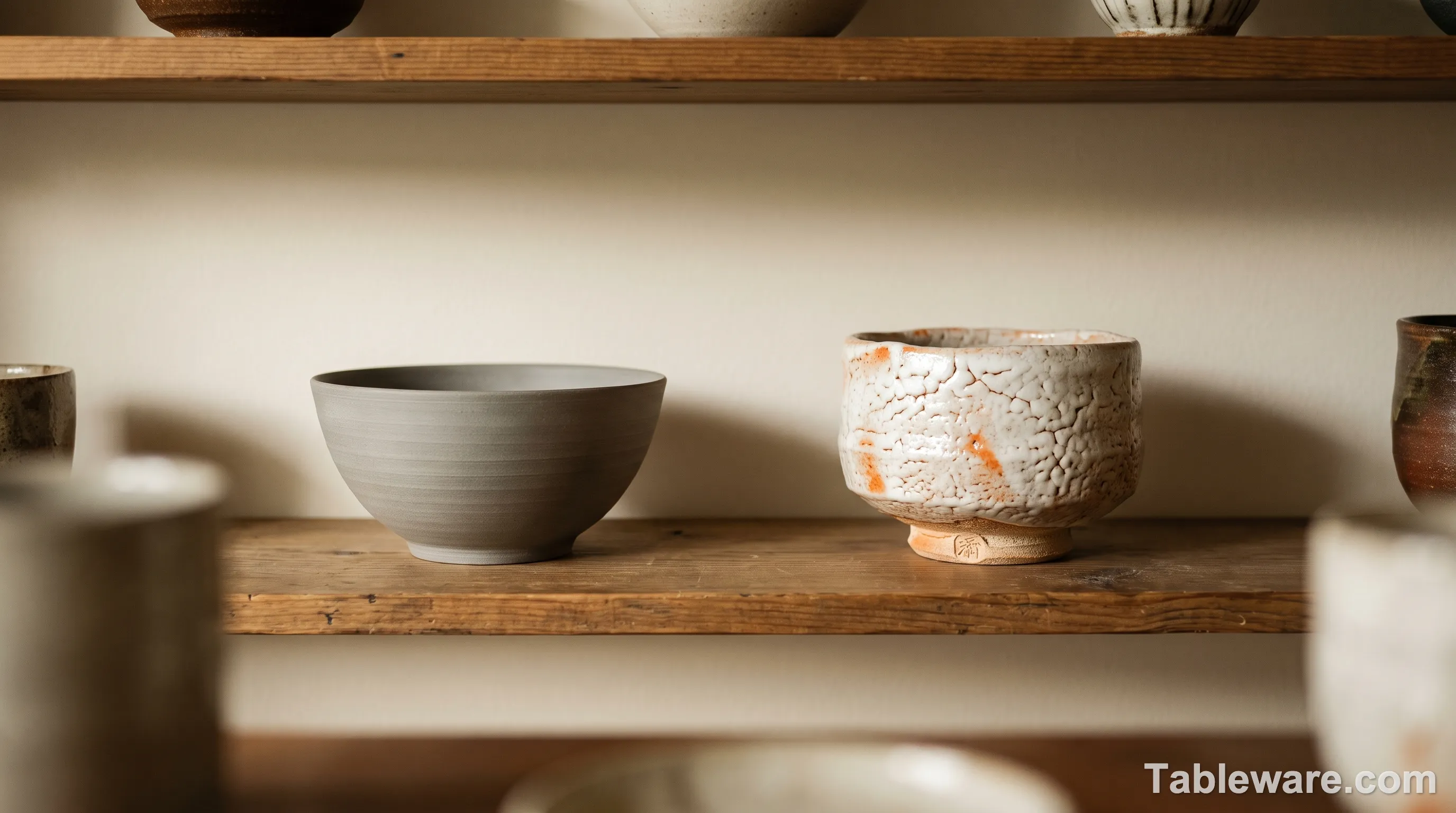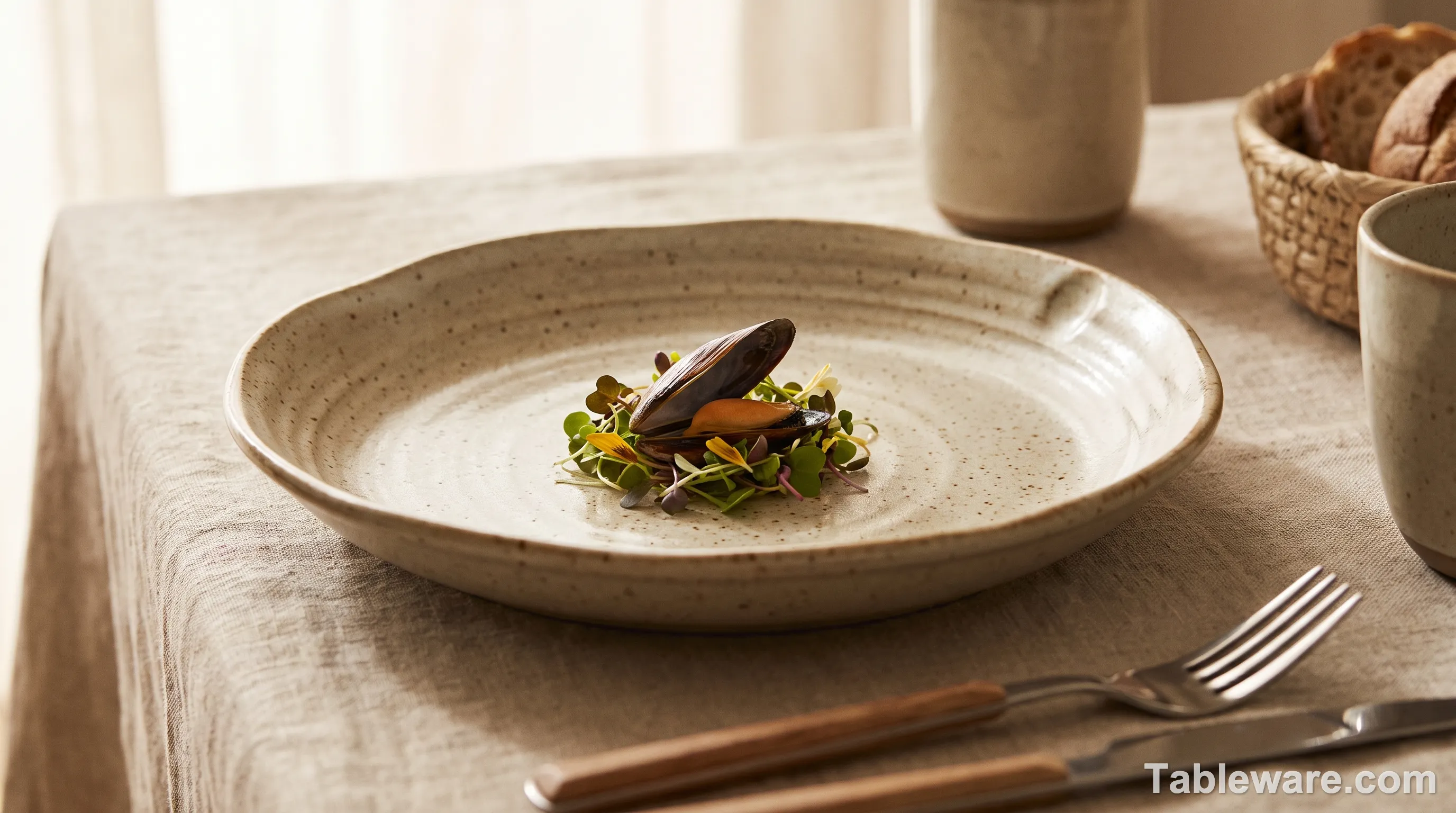
Why Fine Dining Chefs Are Ditching Bone China for Earthenware
Earthenware vs porcelain: why Michelin chefs at noma, Crenn, and Frantzén now plate on rustic stoneware — and the 7 tradeoffs home cooks should copy.
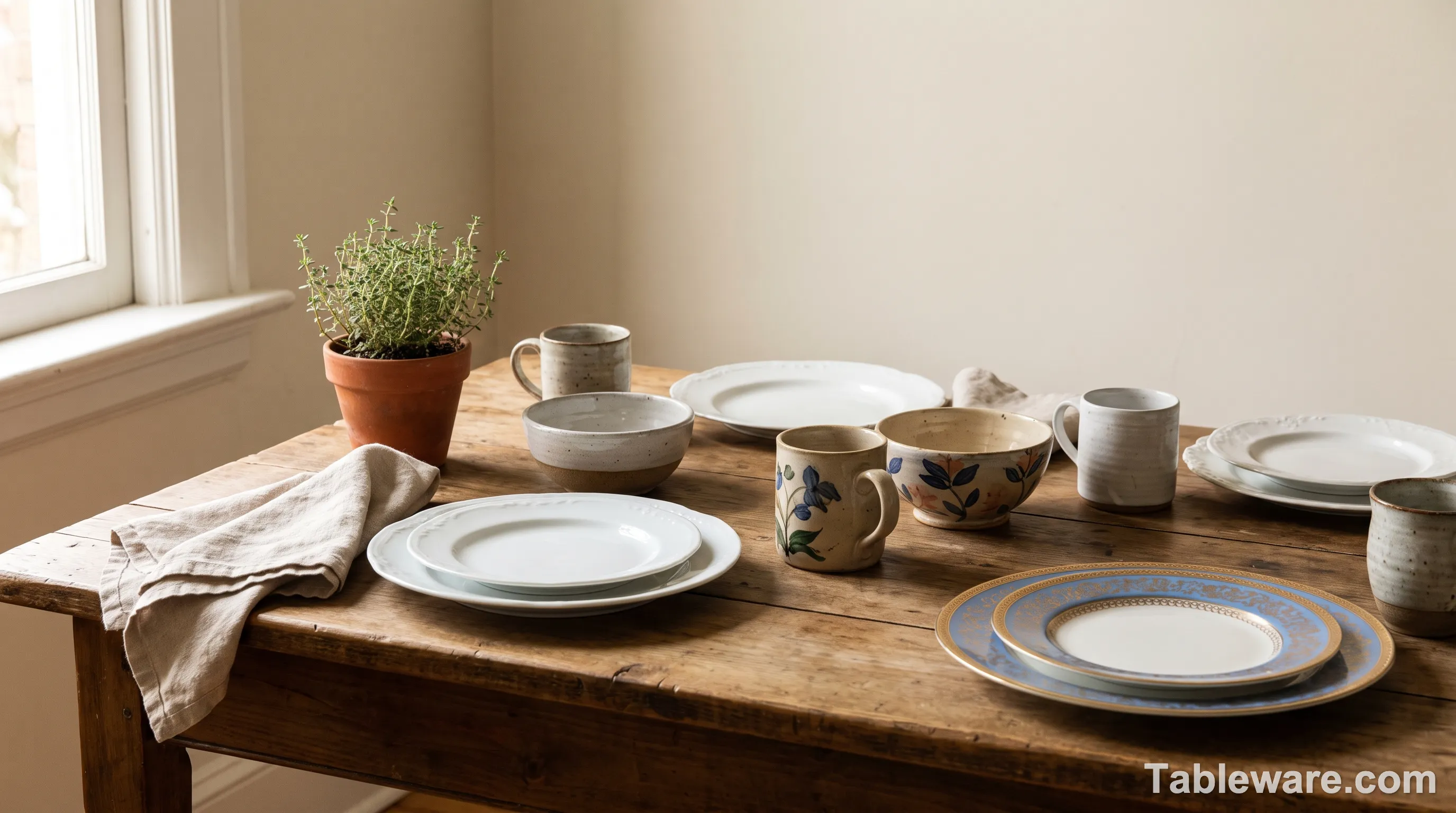
A comprehensive guide to all the tableware you can buy, use, and make.
Earthenware vs porcelain: why Michelin chefs at noma, Crenn, and Frantzén now plate on rustic stoneware — and the 7 tradeoffs home cooks should copy.
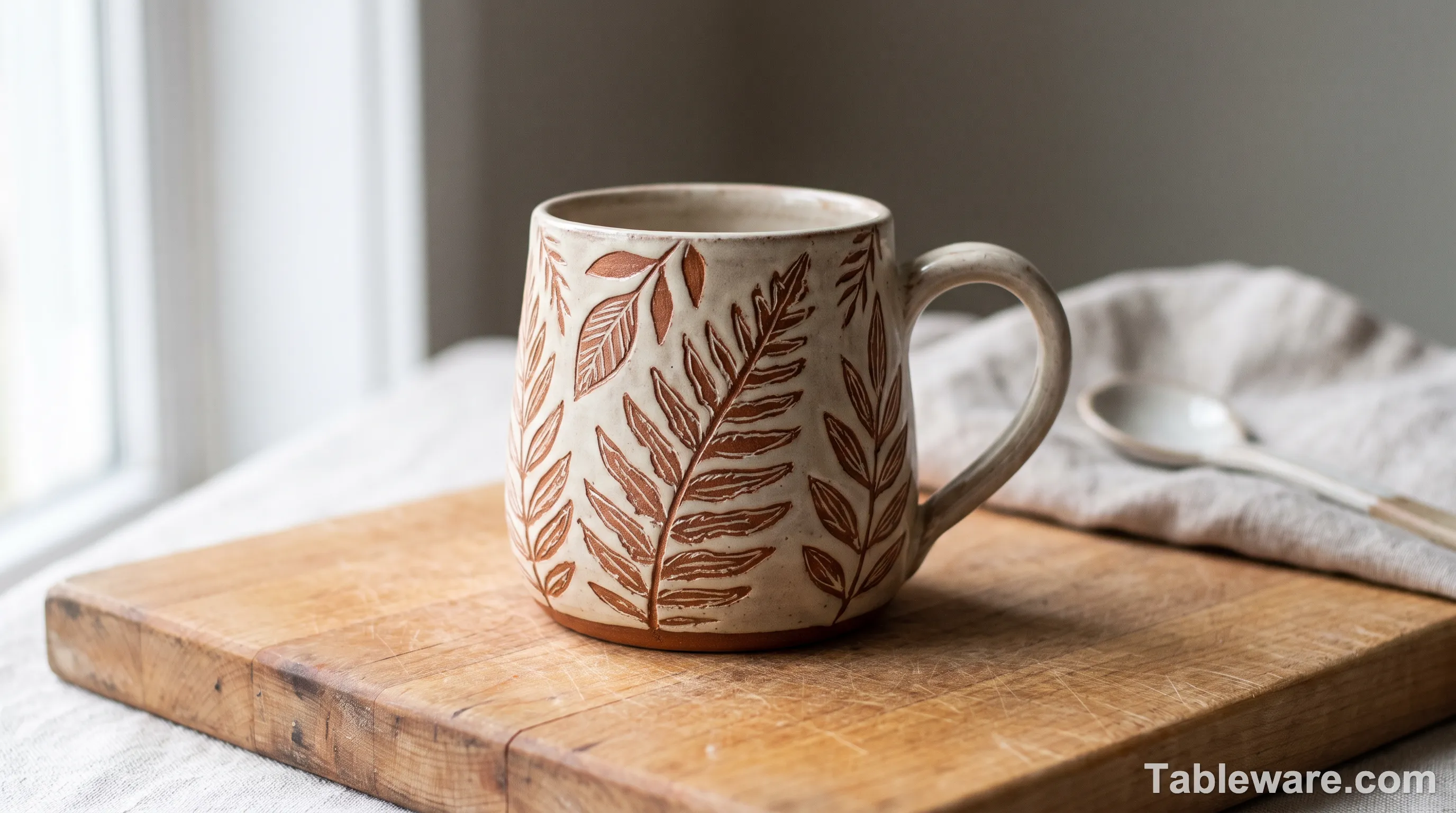
Sgraffito pottery: the 800-year hand-carved ceramic technique. Learn the 4 real steps, 3 knockoff signs, and how sgraffito differs from mishima and engobe.
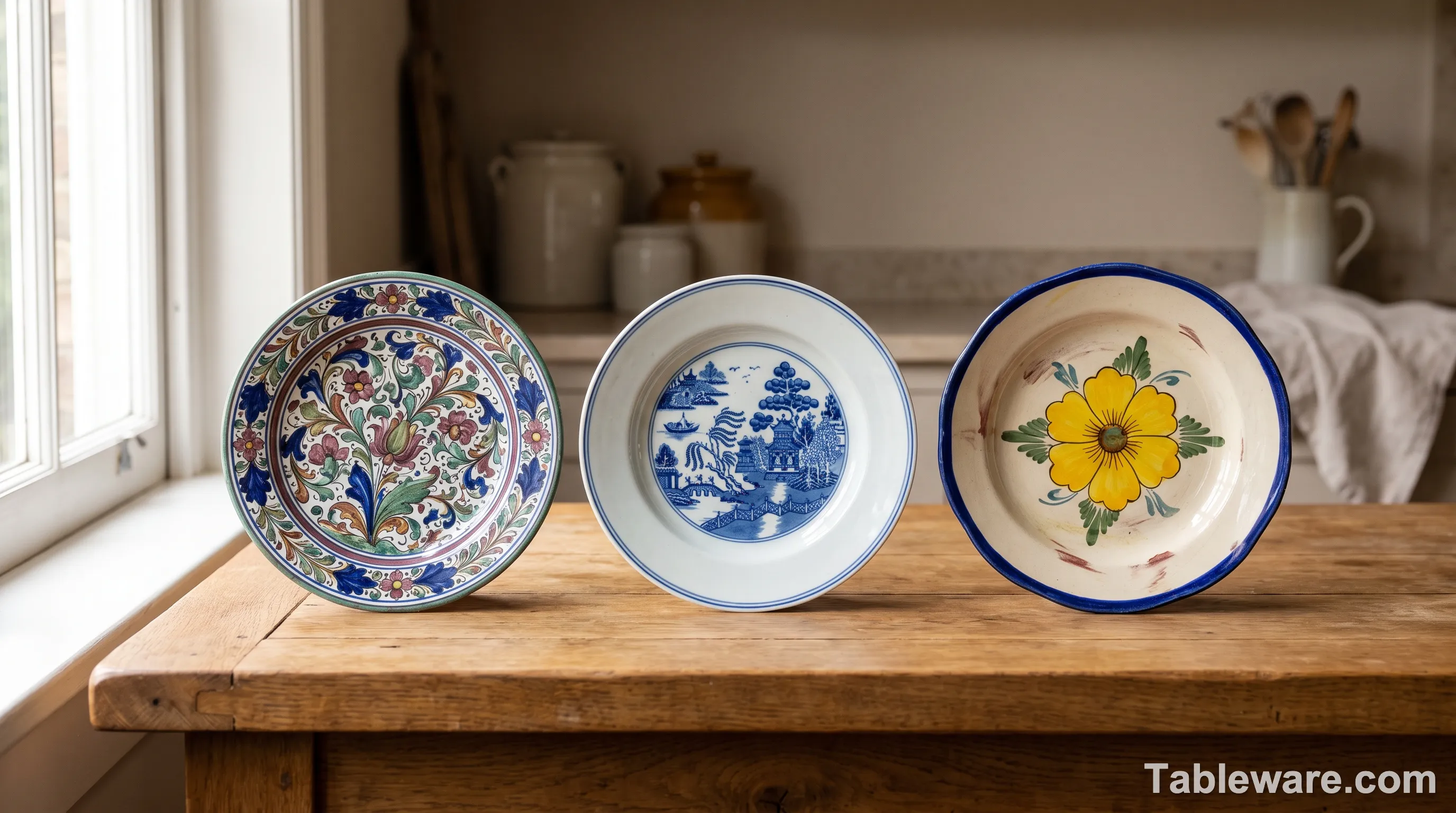
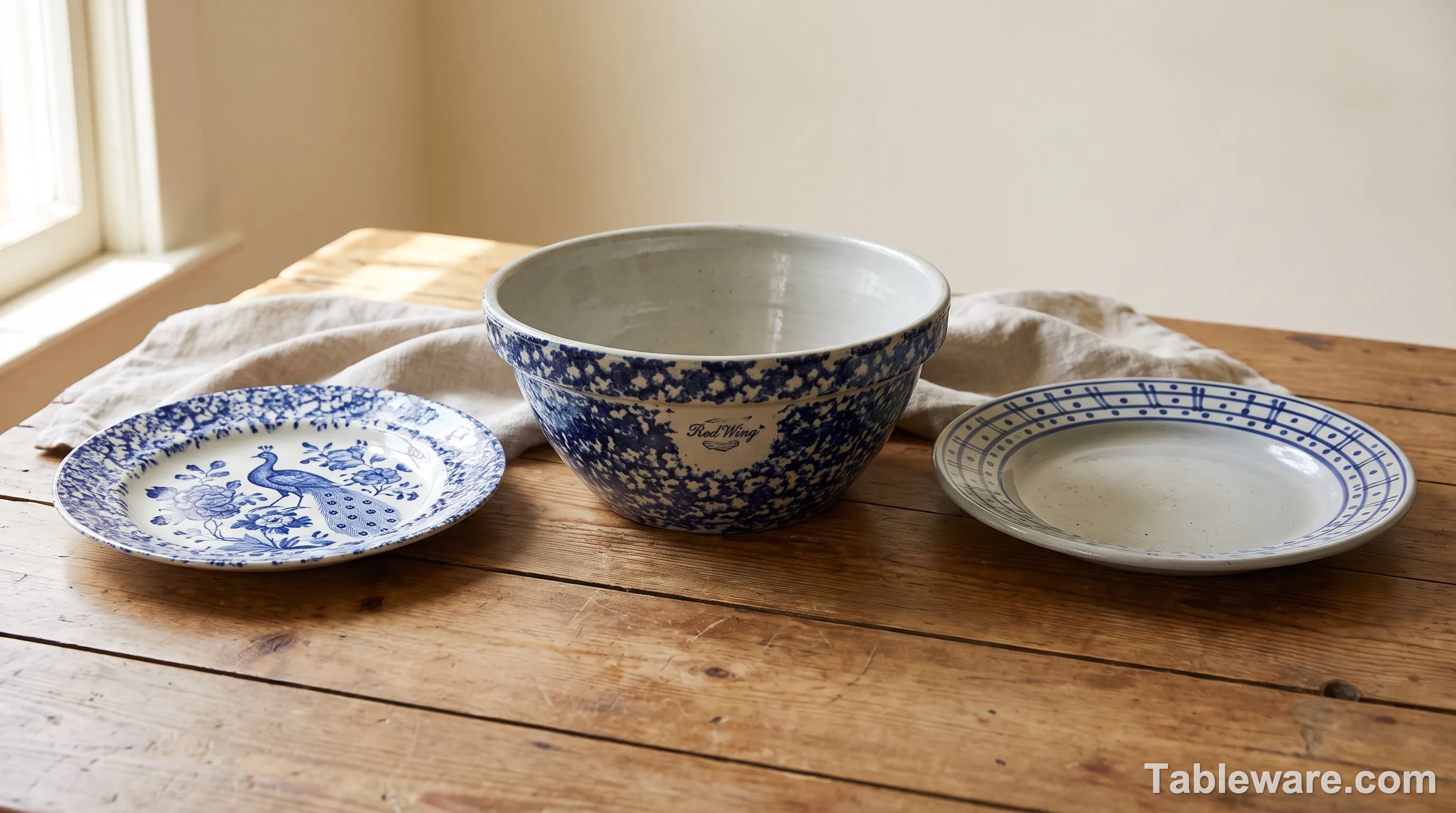
Majolica vs Delft vs Talavera: a side-by-side look at three tin-glazed pottery traditions — where they came from, how they're made, and how to tell them apart.
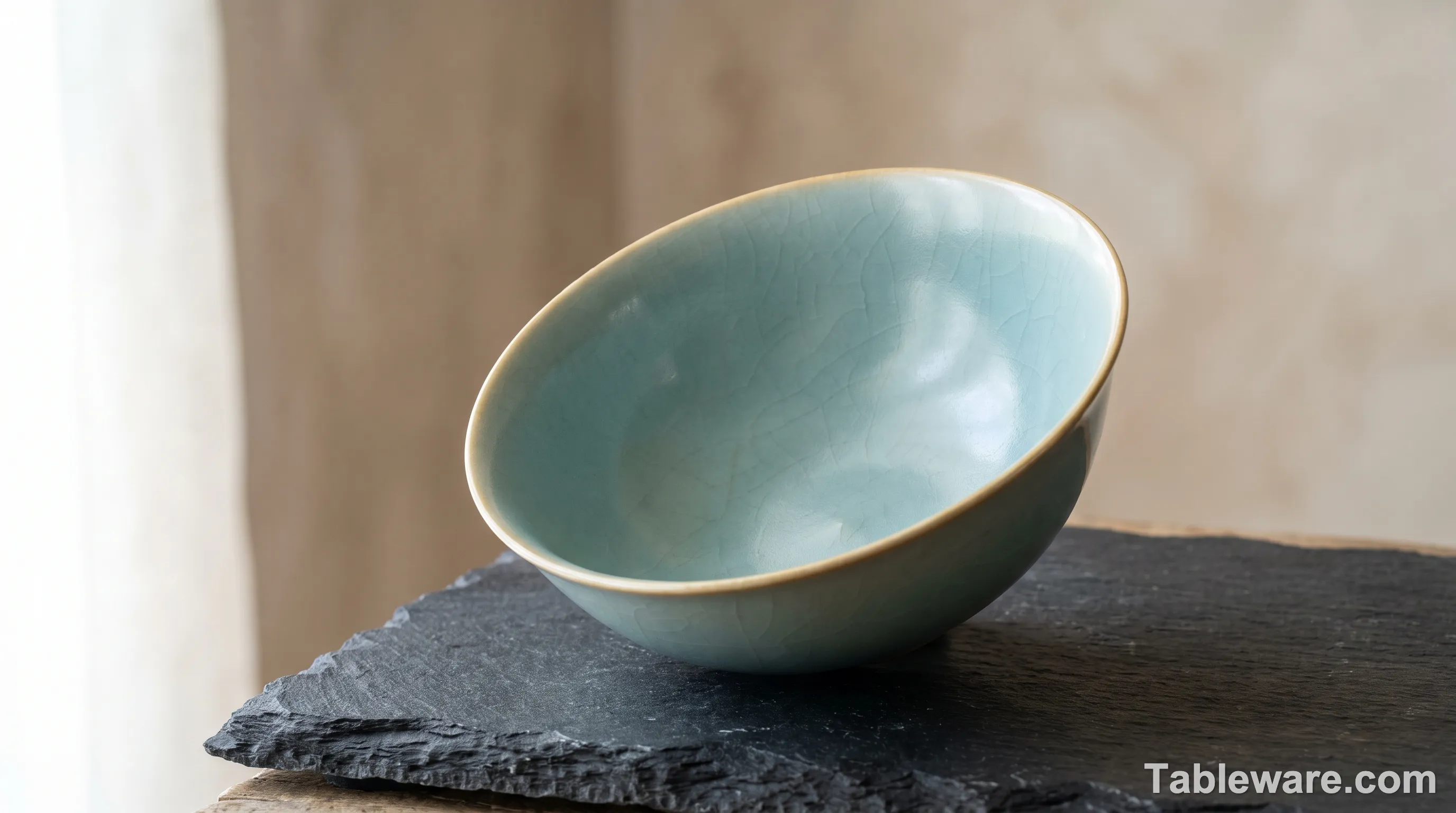
Real celadon is a 1700-year-old iron-reduction glaze from Longquan to Goryeo. Learn the chemistry, the makers, and the 5-second field test for spotting fakes.
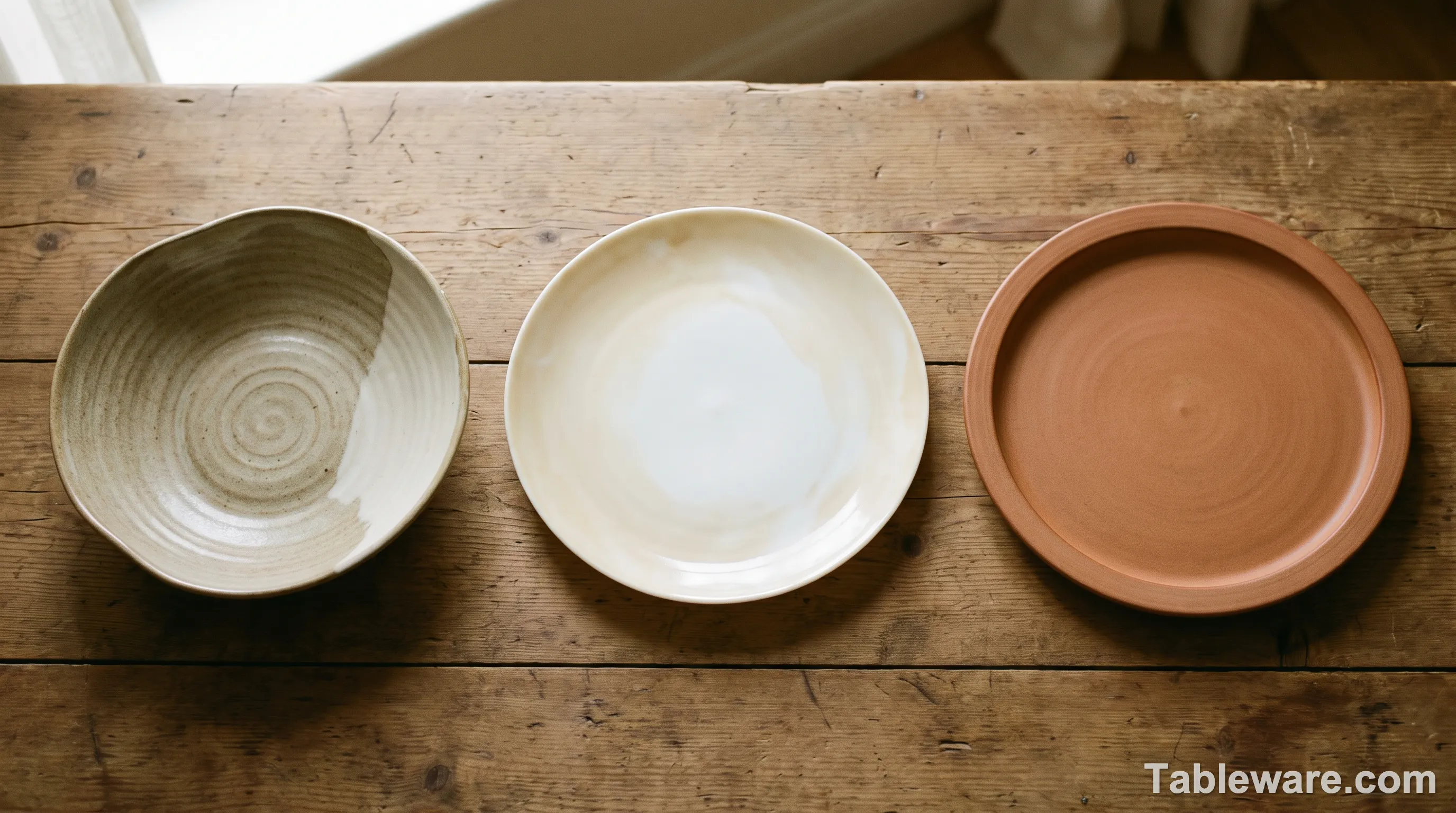
A field guide to how ceramic dinnerware is made. We break down hand-throwing, slip-casting, and jiggering/pressing—the three industrial processes that turn a lump of clay into the plate on your table—and show you how to spot each one in the wild.
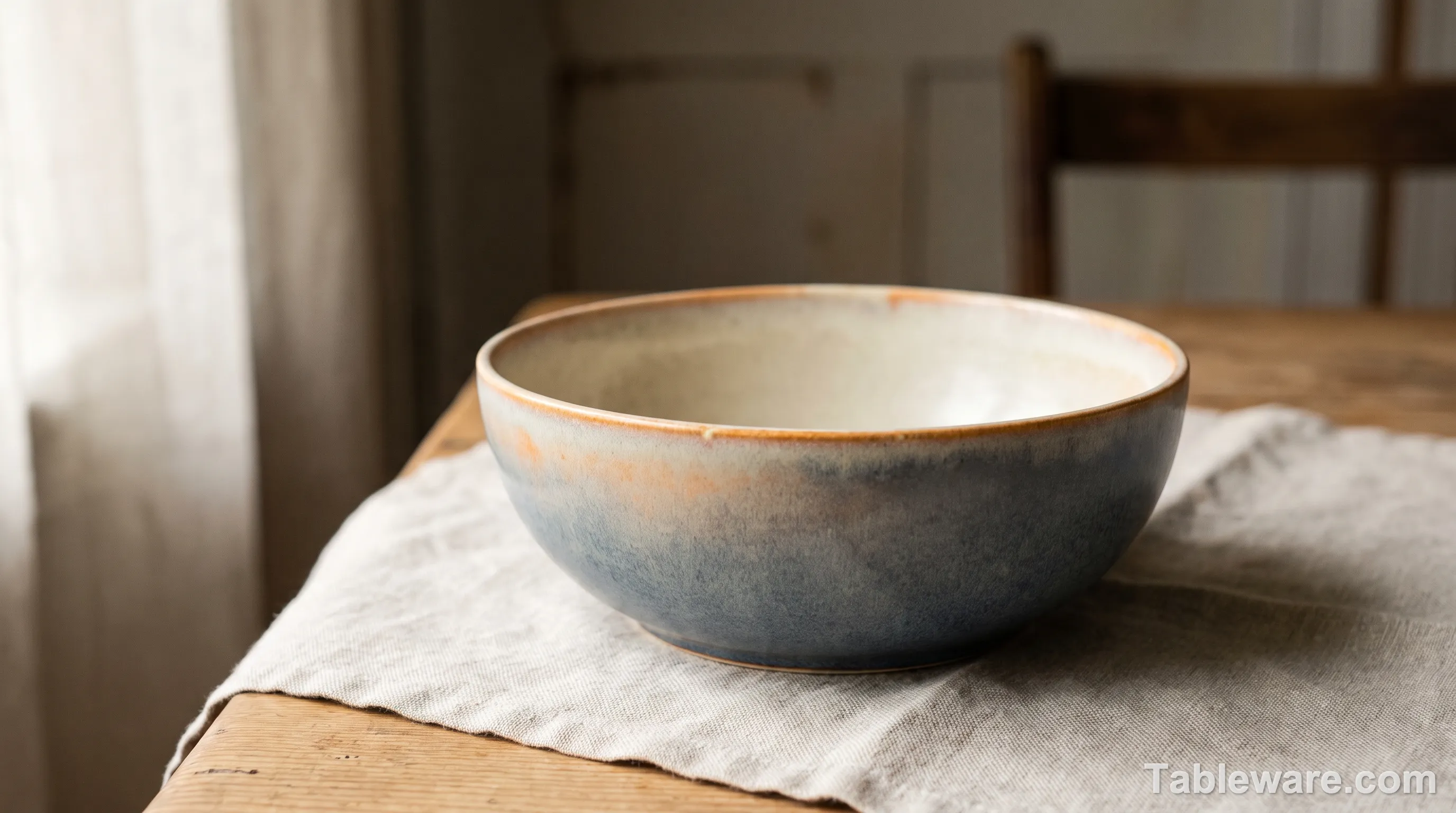
Reactive glazes are the most photographed look in modern dinnerware. Here's what the chemistry actually does, the brands doing it right, the failure modes nobody talks about, and the cheap $30 set that's faking the whole thing with a printed pattern.
We review the best tableware for your modern home.