Stoneware is widely considered the "middle ground" of the ceramic world, but this label does a disservice to its incredible versatility and beauty. It is the bridge between the rustic, porous nature of earthenware and the refined, glass-like quality of porcelain.
Named for its dense, stone-like quality after firing, stoneware is the material of choice for the majority of modern artisanal tableware, high-end restaurant service, and durable kitchen bakeware (like Le Creuset or Staub ceramics). It is prized not for its translucency, but for its rugged durability, its incredible capacity for complex glazes, and its tactile, earthy aesthetic.
This wiki entry explores the geological properties of stoneware, its pivotal role in the "Studio Pottery" movement, and why it is arguably the most practical material for daily use.
1. Definition: What Makes it "Stone"?
Stoneware is defined by its firing temperature and its physical state after firing.
The Firing Spectrum
While earthenware is fired at low temperatures (below 1150°C), stoneware is fired at high temperatures, typically between 1200°C (2190°F) and 1300°C (2370°F).
Vitrification (玻璃化)
The magic of stoneware lies in vitrification. At these high temperatures, the silica (glass-forming agent) within the clay body melts and fills the microscopic pores between the clay particles.
- Non-Porous: Unlike earthenware, fully fired stoneware is waterproof even without a glaze. It absorbs less than 1% of its weight in water.
- Density: The heat causes the clay to shrink significantly, creating a dense, hard body that is resistant to scratching with steel cutlery.
- Opacity: Unlike porcelain/bone china, stoneware clay usually contains impurities (iron, titanium) that make it opaque. You cannot see light through a stoneware plate, no matter how thin it is.
2. The Art of Glaze: Why Stoneware Looks Special
One of the main reasons collectors and chefs love stoneware is Reactive Glazing.
Because stoneware is fired at such high heat, the glazes used on it can undergo complex chemical reactions that are impossible at lower temperatures.
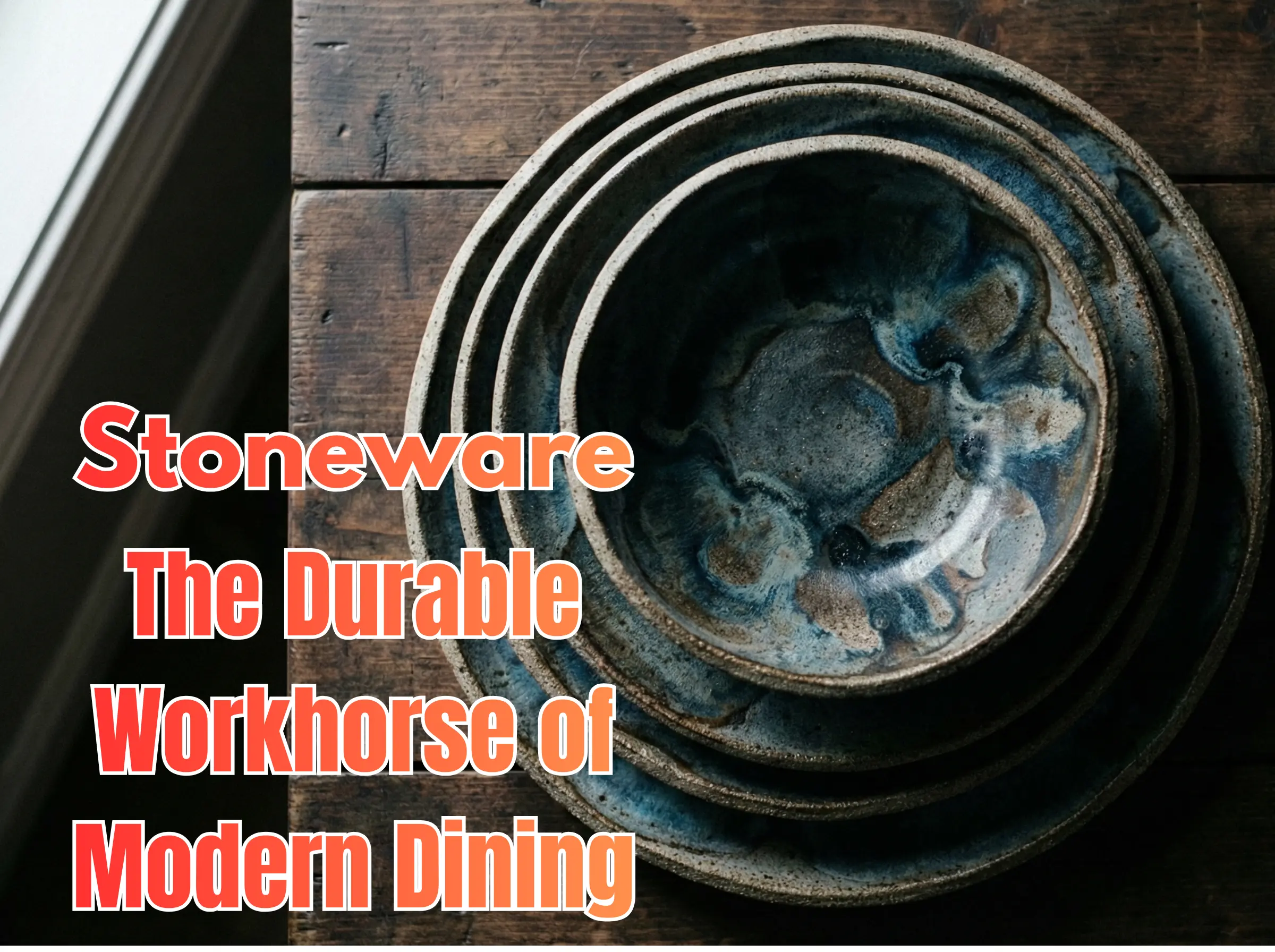
- Depth and Interaction: Ingredients in the glaze (like iron oxide, copper, or rutile) interact with the clay body and the kiln's atmosphere. They flow, melt, and separate, creating variegated colors, speckles, and "breaks" (where the glaze thins over a rim to reveal a different color).
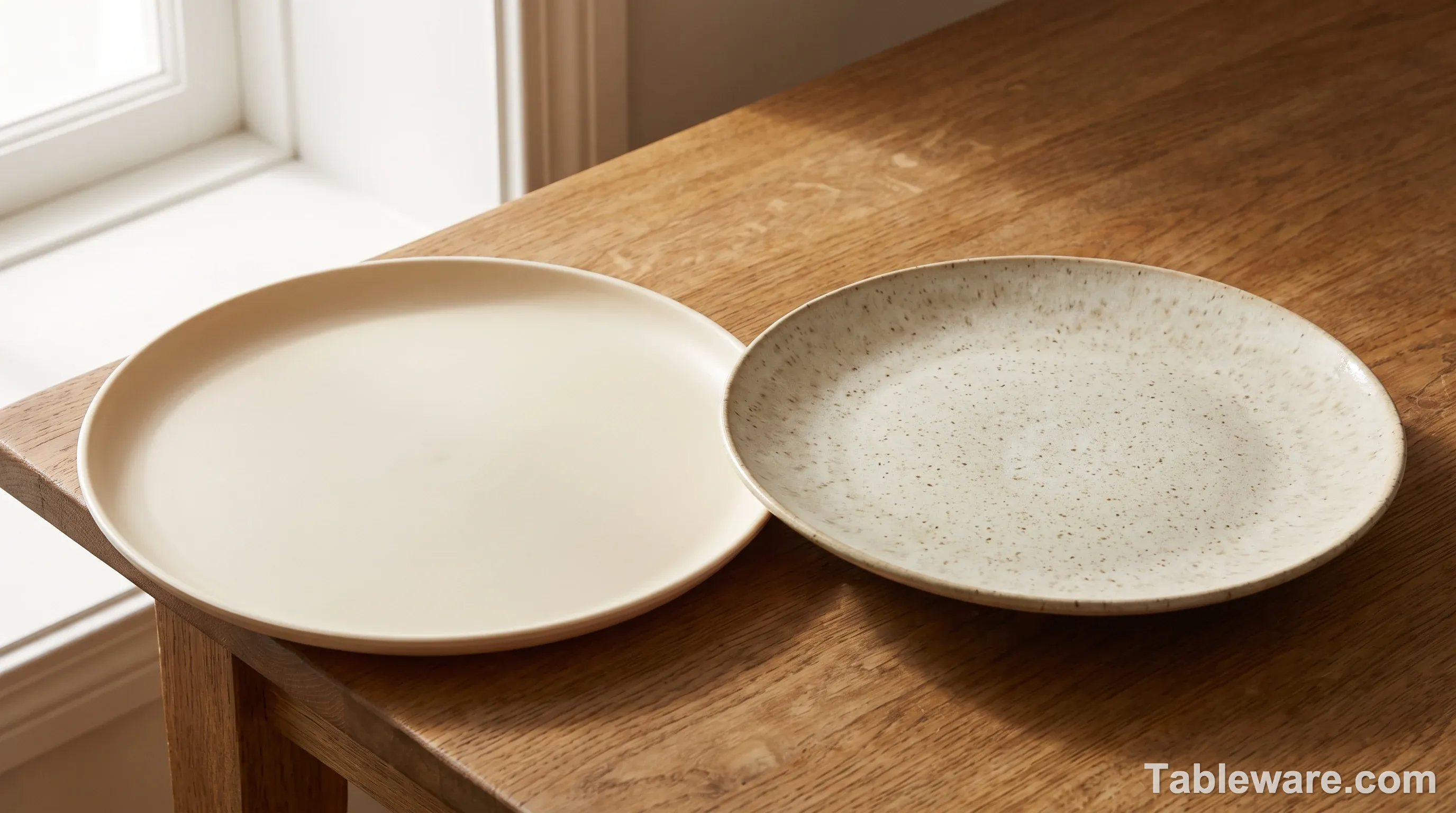
- Matte Textures: Stoneware is famous for its beautiful satin or matte finishes, which offer a modern, tactile feel compared to the high-gloss shine of standard porcelain.
- Speckles: Many stoneware clays contain "grog" (pre-fired, ground-up clay) or iron pyrites. When fired, these burst through the glaze to create the signature "speckled egg" look found in many artisanal ceramics.
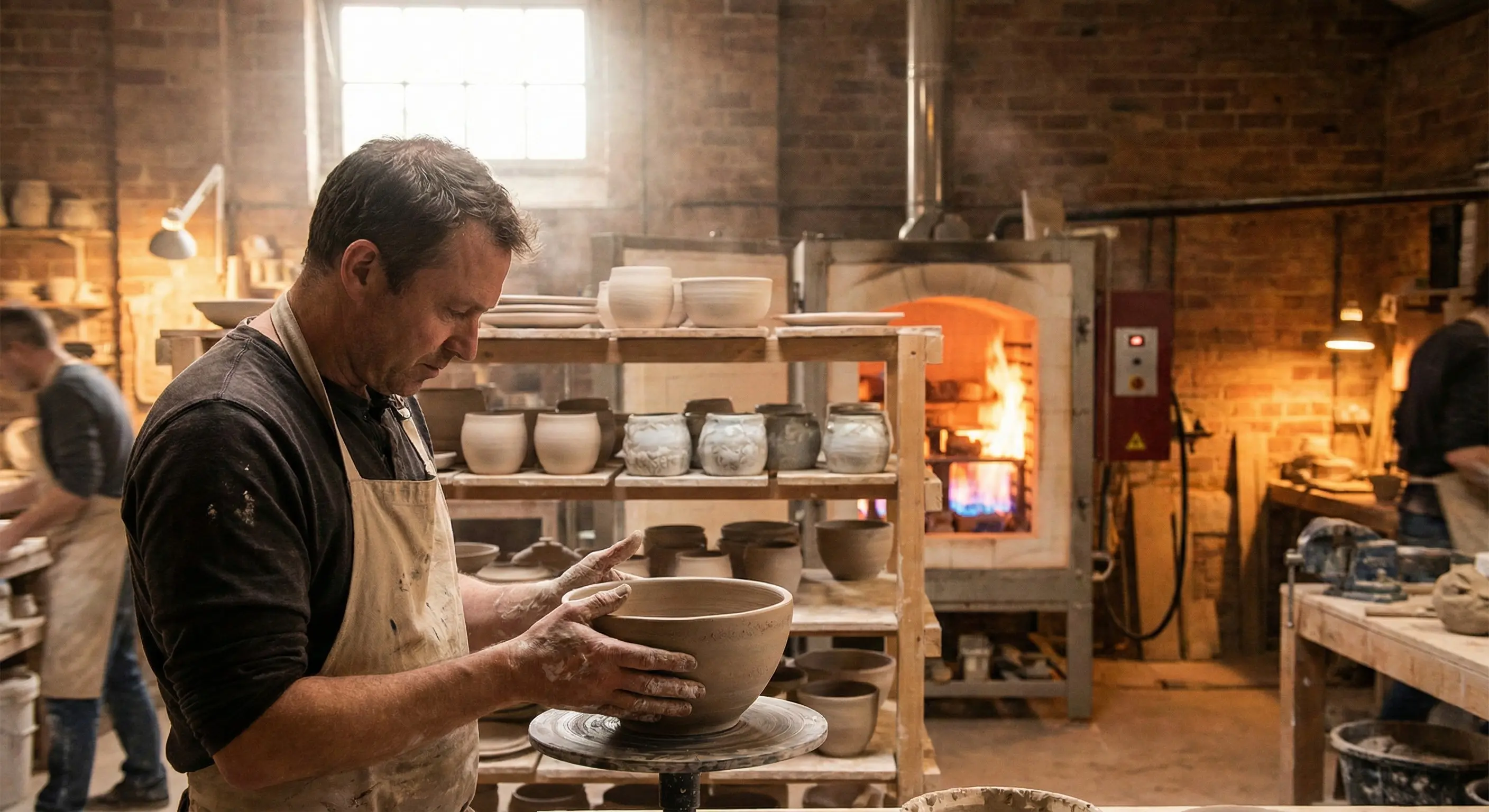
Fig 1. High-temperature firing is crucial. The intense heat transforms the clay into a stone-hard, non-porous material.
3. History: From the Han Dynasty to Studio Pottery
Origins in the East
Stoneware was developed in China as early as the Shang Dynasty (c. 1600–1046 BC) and perfected during the Han Dynasty. The famous "Yixing" teapots (Purple Clay) are a specialized form of unglazed stoneware. The Chinese mastered high-temperature kilns thousands of years before Europe.
The German Salt Glaze
In Medieval Europe, Germany became the center of stoneware production (specifically in the Rhineland). They discovered Salt Glazing: throwing common salt into the kiln at peak temperature. The salt vaporized, reacting with the silica in the clay to form a bumpy, orange-peel texture that was incredibly durable. This created the famous German beer steins.
The Studio Pottery Movement (20th Century)
The modern appreciation for stoneware is largely thanks to Bernard Leach (British) and Shoji Hamada (Japanese). In the 1920s, they popularized the "Studio Pottery" movement. They rejected industrial mass-production in favor of the "honest," handmade aesthetic of stoneware. They championed the beauty of heavy, thick-walled pots, natural ash glazes, and visible throwing marks. This philosophy still dominates the handmade ceramic market today.
4. Stoneware vs. Earthenware vs. Porcelain
How does stoneware compare to its siblings?
| Feature | Earthenware | Stoneware (This Article) | Porcelain |
|---|---|---|---|
| Firing Temp | Low (1000°C) | High (1200°C - 1300°C) | Very High (1300°C+) |
| Porosity | High (absorbs water) | Non-Porous (Vitrified) | Non-Porous (Vitrified) |
| Durability | Low (Chips easily) | High (Very tough) | High (Hard but brittle) |
| Light Transmission | Opaque | Opaque | Translucent |
| Color | Red/Terracotta | Grey, Buff, Brown, Speckled | Pure White |
| Typical Use | Flower pots, decorative | Dinnerware, Bakeware | Fine dining, tea sets |
The "Tap" Test:
- If you tap a stoneware plate, it produces a distinct, low-pitched "clunk" or a short ring.
- Porcelain sings with a high-pitched, long ring.
- Earthenware makes a dull thud.
5. Practical Guide: Usage and Care
Stoneware is arguably the most practical material for a busy, modern kitchen.
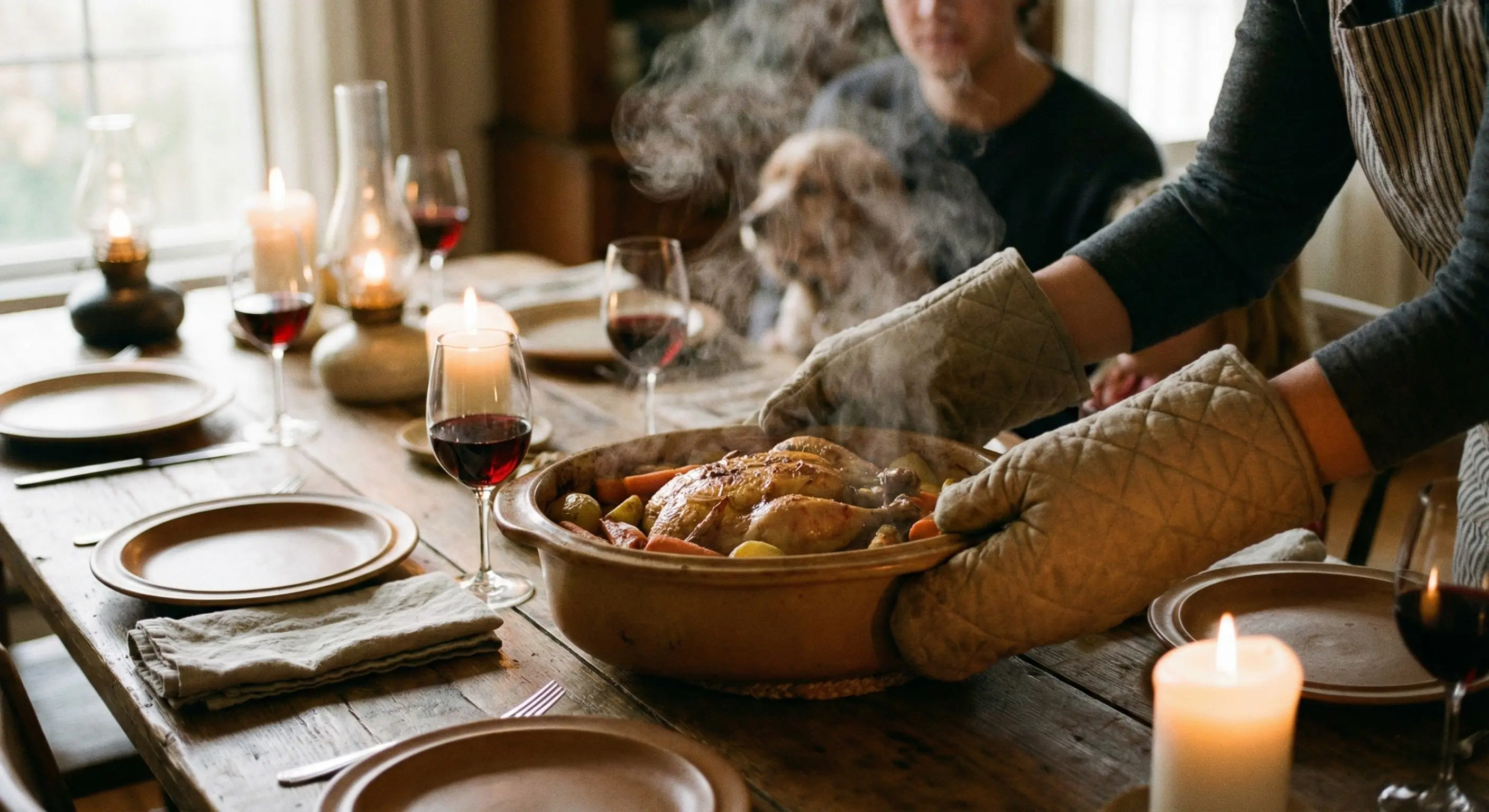
Fig 2. Stoneware's thermal retention makes it ideal for oven-to-table serving.
Oven Safety (The Superpower)
One of stoneware's biggest advantages over porcelain is its thermal shock resistance. While you should never take a ceramic straight from the freezer to a hot oven, stoneware heats up evenly and holds heat incredibly well.
- Baking: It is excellent for lasagna dishes, roasting pans, and pie dishes because it distributes heat gently, preventing burnt spots.
- Serving: A pre-warmed stoneware bowl will keep pasta or soup hot for 20 minutes longer than a thin bone china bowl.
Dishwasher & Microwave
- Microwave: Almost always safe. Because it absorbs no water, it doesn't get dangerously hot in the microwave (unless the plate itself is hot from the food). Note: Avoid stoneware with metallic glazes.
- Dishwasher: Highly recommended. It is tough enough to withstand thousands of cycles without the glaze fading.
Durability Concerns
While tougher than earthenware, stoneware is heavy.
- Weight: A stack of 12 stoneware dinner plates is heavy. Make sure your kitchen shelves are sturdy!
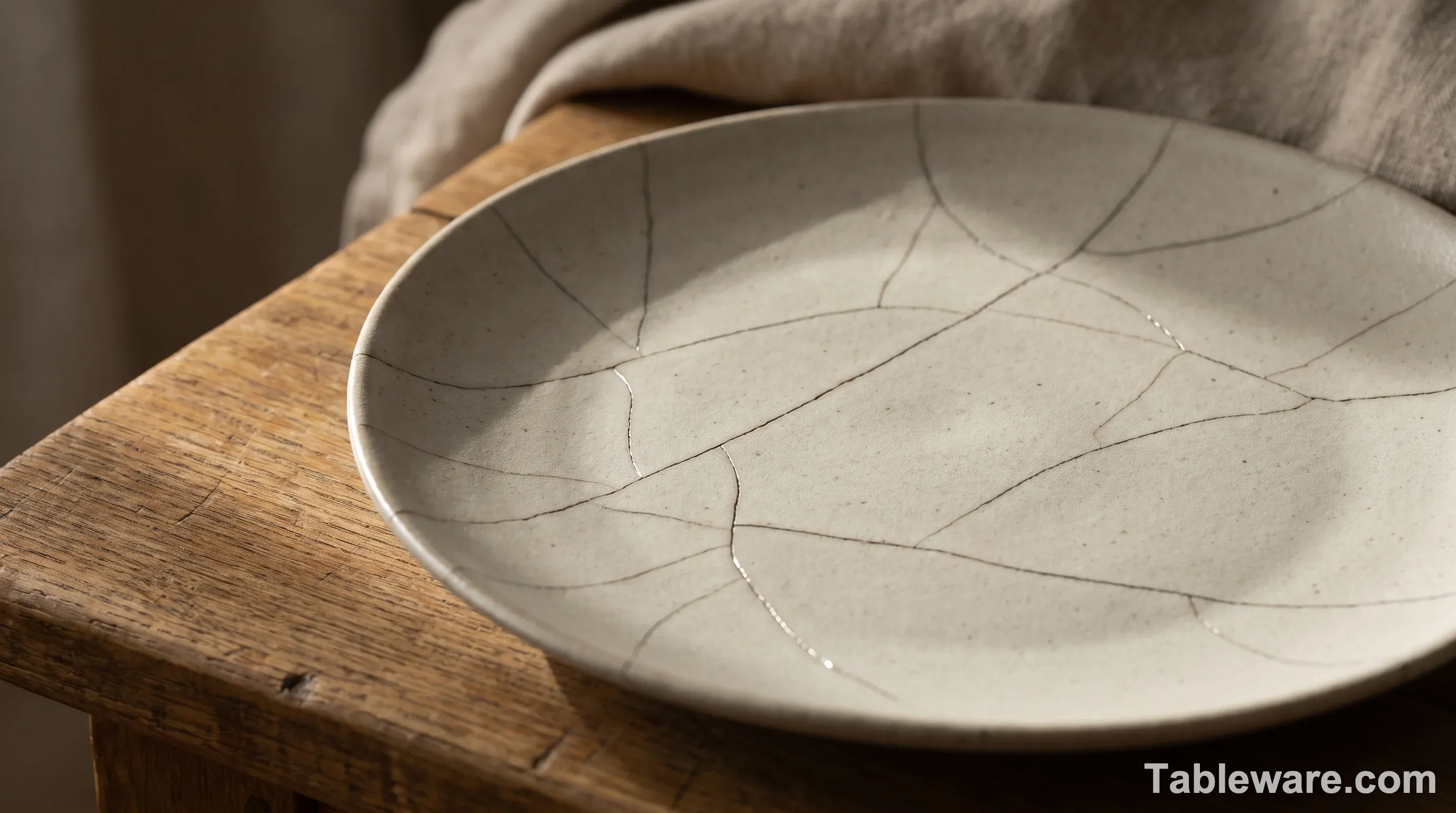
- Scratch Marks: Sometimes, "scratches" on stoneware plates are actually metal deposits from your knife, not scratches in the glaze. Because the glaze is harder than the steel knife, the knife leaves a grey trail behind. This can be cleaned off with a mild abrasive (like Bar Keepers Friend).
6. Conclusion: The Artistic Choice
Choosing stoneware is a choice for substance and texture. It lacks the pretension of bone china and the fragility of earthenware.
Whether it is a mass-produced set from a major retailer or a hand-thrown bowl from a local artist, stoneware brings a grounding, elemental presence to the table. It reminds us that we are eating from the earth, transformed by fire into stone. For the daily ritual of eating, there is perhaps no better companion.