Introduction: The Strategic Importance of Material Choice
In the global professional tableware market—valued at USD 12.8 billion in 2025 and projected to reach USD 18.9 billion by 2034—the choice of material is far more than an aesthetic preference. For restaurant owners and high-end collectors, selecting between Bone China and Fine Porcelain is a strategic decision that impacts brand identity, guest experience, and long-term Return on Investment (ROI).
While both materials fall under the category of vitrified ceramics, their chemical "DNA" and manufacturing processes result in vastly different performance profiles. This guide provides a definitive technical analysis of these two titans of the dining table, drawing on centuries of tradition from Stoke-on-Trent and modern innovations in ceramic engineering.
1. The Historical Foundation: From Staffordshire to the World
The history of high-performance ceramics as we know it today began in Stoke-on-Trent, Staffordshire, England, often referred to as "The Potteries". This region established the standards for what constitutes professional-grade dinnerware, maintaining a leadership status for over three centuries.
While Porcelain originated in China and was later refined in Europe (notably in Meissen and Limoges), Bone China was an English innovation designed to mimic the translucency of oriental porcelain while adding superior physical strength. Today, while heritage European brands like Christofle, Meissen, and Royal Limoges hold significant market share, the Asia-Pacific region has emerged as a production powerhouse, with China alone accounting for over 40% of global porcelain production.

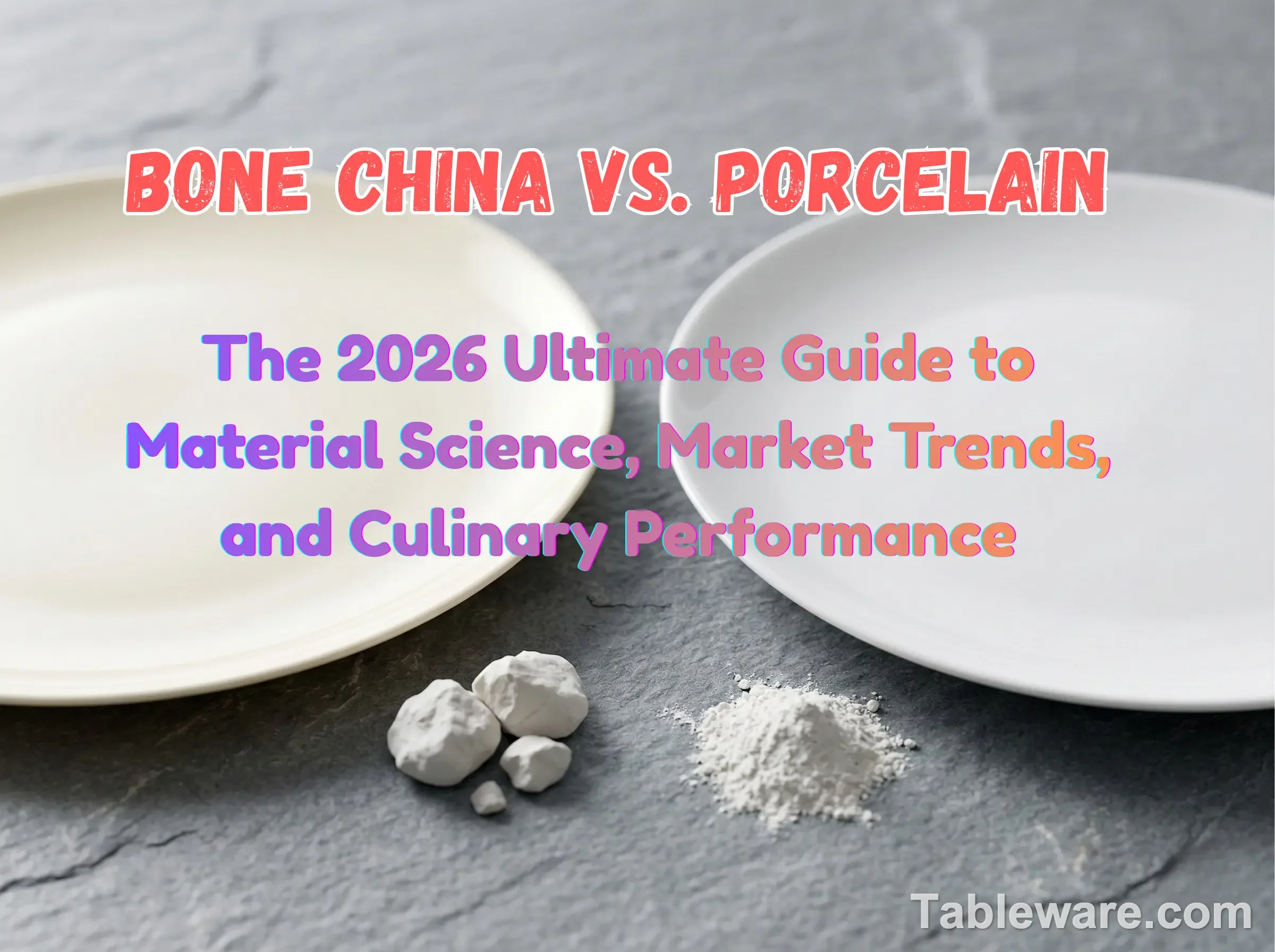
Fig 1. Porcelain VS. Bone China
2. Molecular Composition: What’s Inside the Clay?
To understand the performance of a plate, one must look at its recipe. Both materials share a base of Kaolin (clay), Feldspar, and Quartz, but their specific ratios and secret ingredients define their class.
Porcelain: The Vitrified Workhorse
Porcelain is a combination of feldspar, quartz, and kaolin fired at extreme temperatures.
- Kaolin: Provides the structural "bone" of the clay, burning white and hard.
- Feldspar: Acts as a flux, promoting plasticity and helping the materials fuse during the firing process.
- Quartz: Provides the glass-like hardness that makes porcelain non-porous.
Bone China: The Phosphatic Powerhouse
What sets Bone China apart is the addition of animal bone ash (typically derived from oxen or cattle).
- The 30% Rule: To be classified as high-quality Bone China, the mixture must contain at least 30% bone ash, with premium collections reaching 40-50%.
- Structural Advantage: The bone ash creates a unique chemical reaction during firing, allowing the walls of the dish to be significantly thinner than porcelain without sacrificing durability.

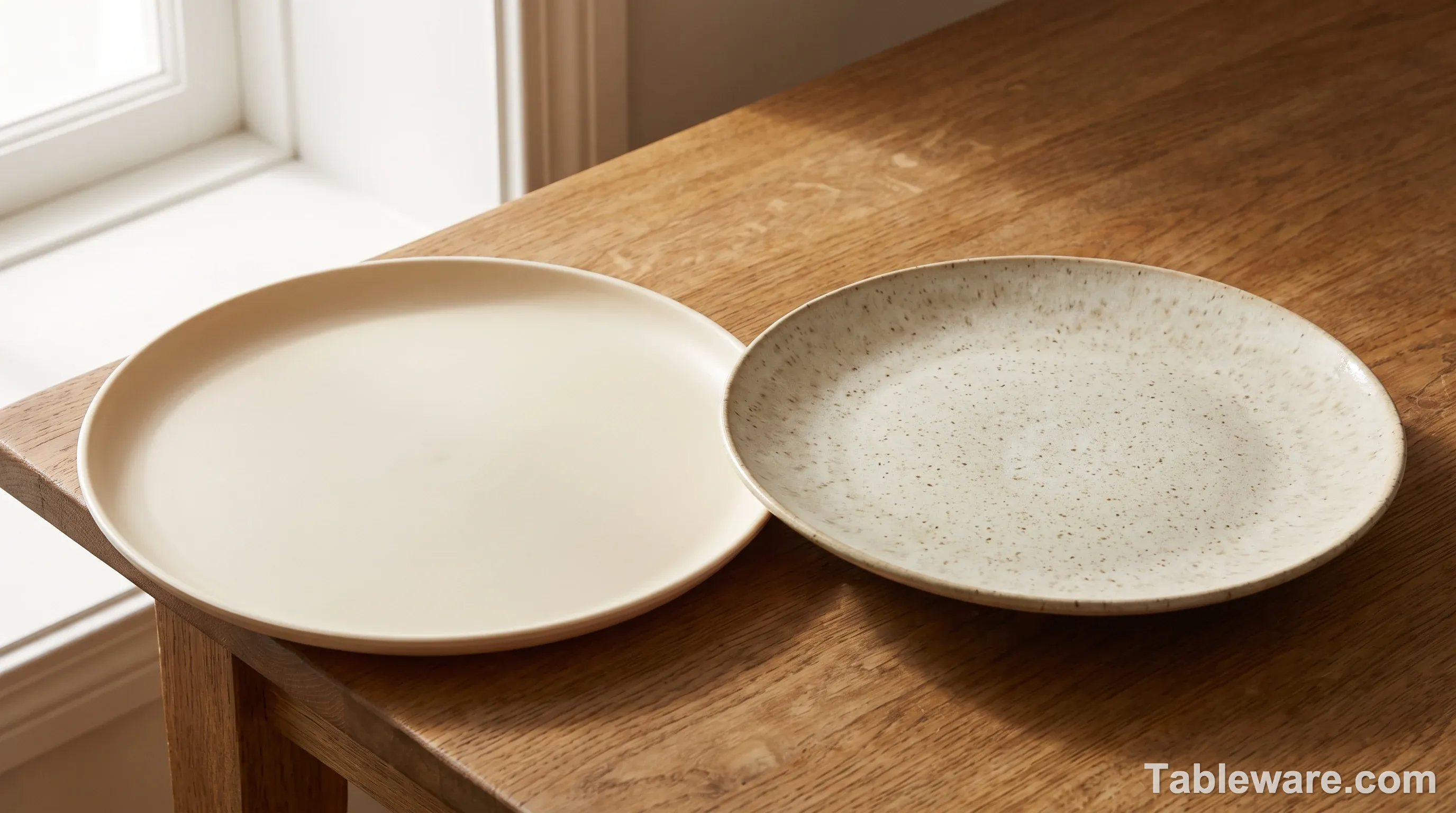
Fig 2. The Genetic Difference: Raw materials for porcelain focus on mineral density, while bone china relies on organic calcium phosphates for strength and translucency.
3. The Firing Process: Heat and Transformation
The "strength" of a ceramic is forged in the kiln. The firing temperatures for these materials dictate their final density and "porosity".
- Porcelain Firing: Requires higher temperatures, averaging around 1,455 degrees Celsius. This intense heat causes complete vitrification, turning the clay into a non-porous solid that absorbs zero liquid.
- Bone China Firing: The "biscuit" (first firing) occurs at approximately 1,260 degrees Celsius. This is followed by a second "glost" firing at a lower temperature to fuse the glaze to the body.
This difference in heat management results in Porcelain being slightly more brittle but having a harder exterior glaze, whereas Bone China has a softer glaze texture but a more resilient internal body.
4. Visual and Sensory Profiles
Translucency: The Light Test
The most distinct characteristic of Bone China is its translucency. When held up to a light source, you can see the shadow of your hand through the material. Porcelain, while white, is typically more opaque and dense.
Color Palette: Snow White vs. Ivory
- Bone China: Known for its "Snow White" or warm ivory tone.
- Porcelain: Can range from bright white to a cooler, blue-grey hue depending on the mineral content of the kaolin.
The "Chime"
Due to its unique molecular cohesion, Bone China produces a distinct, musical "ring" or chime when tapped, a sensory detail often prized in fine dining environments.

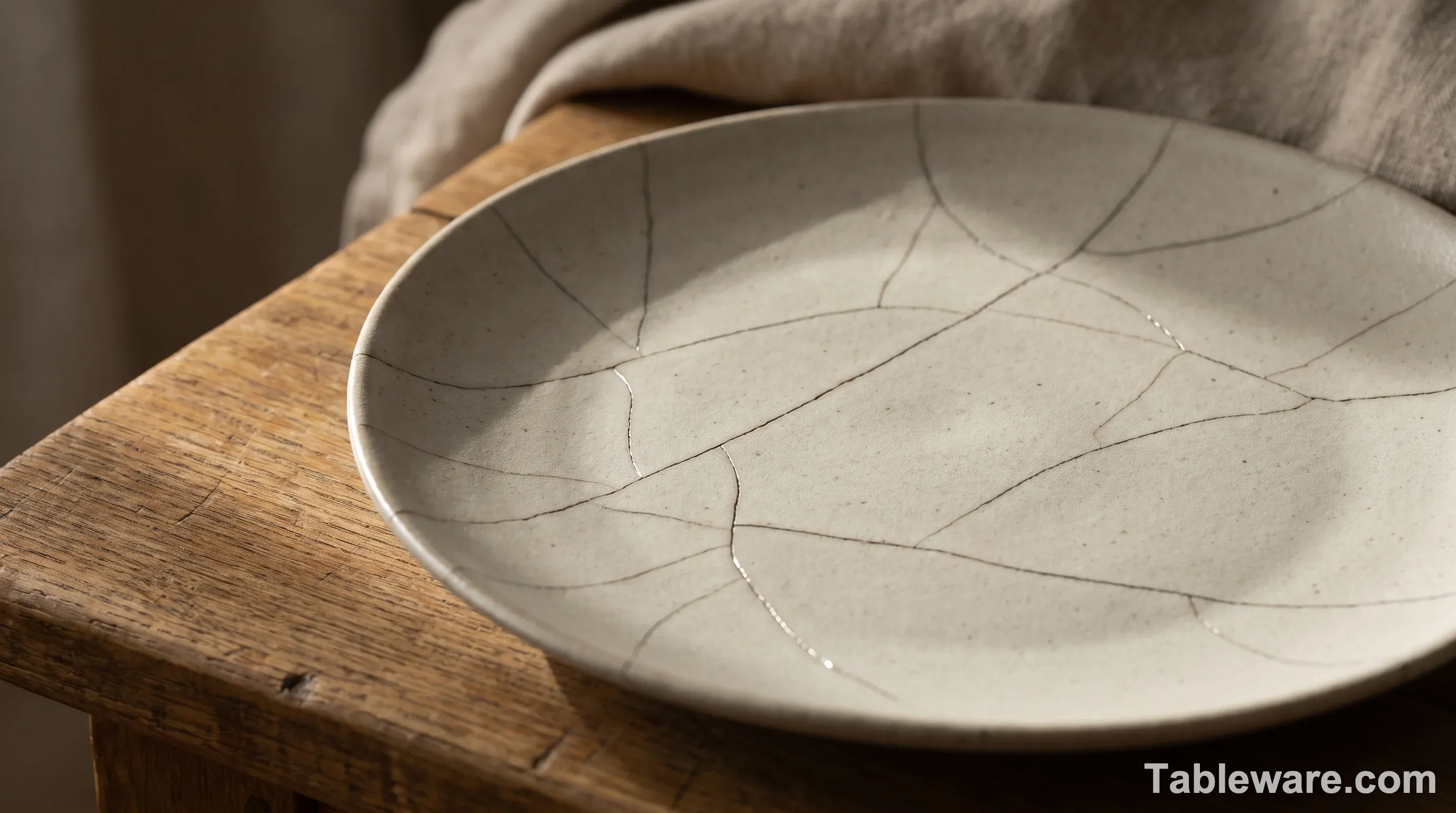
Fig 3. The Signature Glow: Bone China’s ability to transmit light is a primary marker of its quality and bone ash content.
5. Operational ROI: Durability and Maintenance
For hospitality businesses, tableware is not a one-time cost; it is an ongoing operational expense. Modern ceramic composites are now 3x more chip-resistant than traditional porcelain, extending service life by 60% and generating significant ROI.
Durability Comparison
- Bone China: Despite its delicate appearance, it is the most durable of all ceramics in terms of chip resistance due to the bone ash.
- Porcelain: While harder and more resistant to surface scratches, it is more "brittle" and prone to chipping if knocked against other plates in high-volume environments.
Thermal Shock Resistance
Porcelain is generally more resistant to thermal shock. It can handle rapid temperature changes—such as moving from a cold prep station to a hot oven—better than the more delicate Bone China, which requires gradual heating to prevent "crazing" or cracking.
6. Global Variations: The Japanese Influence
When discussing high-performance ceramics, one cannot ignore the Japanese contribution. Japan maintains a strong demand for high-end ceramics in Michelin-starred restaurants and traditional ryokans.
- Mino-yaki (美濃焼): Accounts for over 60% of Japanese tableware. It is versatile, producing everything from home-use porcelain to artisanal pieces.
- Arita-yaki (有田焼): The pioneer of Japanese porcelain, known for its "glass-like" transparency and intricate hand-painted designs.
- Hasami-yaki (波佐見焼): Renowned for its "mass-produced artisanal" approach, offering high-quality porcelain at a price point accessible for modern bistros.

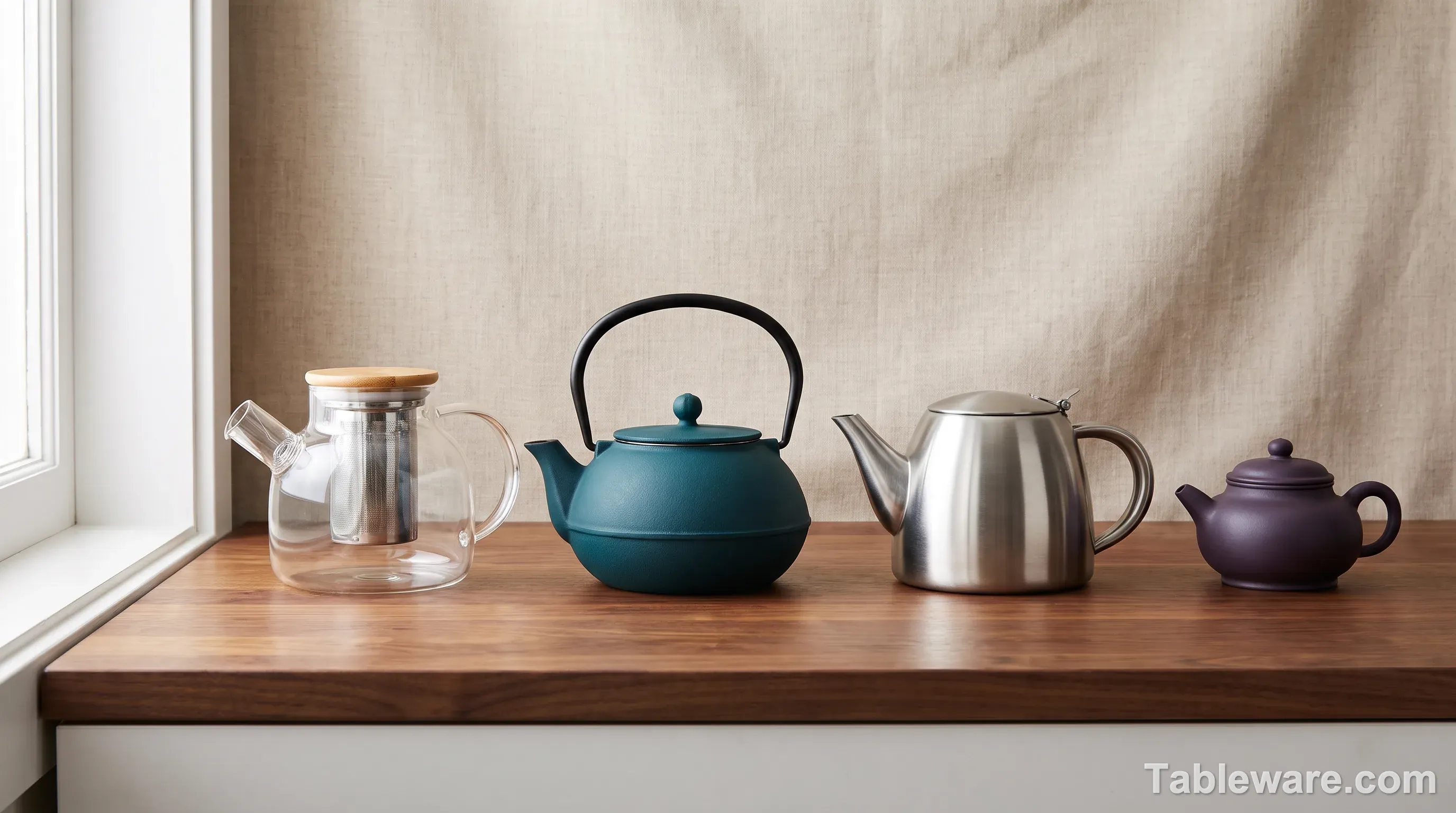
Fig 4. Functional Beauty: Japanese porcelain often blends traditional aesthetics with modern commercial durability standards.
7. The Professional Maintenance Protocol
To maximize the lifespan of your investment, follow these industry best practices for cleaning and storage:
- Avoid Temperature Shock: Never place a cold plate into a pre-heated high-temperature oven. Train staff to use "lightly chilled" plates for cold entrees and "warm" plates for hot ones.
- Stacking Intelligence: Use dedicated dinnerware bus trays. Never transport flatware (metal knives/forks) in the same compartment as ceramic plates to avoid grey metal marks and surface scratches.
- The Chemical Factor: Avoid soaking plates in pre-rinse solutions for more than a few minutes. Overexposure to harsh chemicals can compromise the glaze over time, leading to "clouding".
- Hand-Washing vs. Dishwashers: While most modern porcelain is dishwasher safe, artisanal or gold-rimmed Bone China should be hand-washed with a gentle rubber scraper to remove leftovers.
8. Sustainability: The New Market Driver
Environmental awareness is reshaping the industry. 68% of professional buyers now prioritize eco-friendly options, and commercial kitchens are allocating 15-20% of their budgets specifically for sustainable products.
- Longevity as Sustainability: The most eco-friendly plate is the one that doesn't need to be replaced. Investing in high-durability porcelain reduces waste by up to 30%.
- Material Innovation: Market leaders like Royal Doulton and Bernardaud are introducing lines made from recycled glass and lead-free crystal to meet global sustainability standards.
9. Final Verdict: Which Material Should You Choose?
The decision should be based on your Search Intent and operational environment.
Choose Bone China If:
- You are operating a Luxury Fine Dining establishment where the "clink" and translucency contribute to a multisensory guest experience.
- You want the highest durability against chipping and are willing to pay a slightly higher initial cost for long-term replacement savings.
- Your brand aesthetic is focused on elegance, ivory tones, and delicate profiles.
Choose Porcelain If:
- You are a High-Volume Bistro or Hotel requiring heavy-duty performance and thermal shock resistance.
- You need a bright white or modern blue-grey color palette to complement contemporary plating styles.
- You are working within a stricter upfront budget but still require a professional, non-porous finish.
Conclusion: Investing in Excellence
Whether you choose the historic elegance of Bone China or the industrial strength of Fine Porcelain, your choice of tableware is a fundamental component of your culinary story. As the market moves toward USD 18.9 billion by 2034, staying informed on material science ensures that your dining room remains a place of both beauty and business efficiency.
For more detailed reviews on specific brands, visit our Product Reviews section or explore our Buying Guides for professional procurement tips.