In 2026, tableware is no longer passive. It does not merely hold food—it frames it, balances it, elevates it. The plate determines proportion. The fork determines tactile rhythm. The knife determines resistance and precision.
Dining today is a sensory engineering experience.
This article is not a superficial buyer’s list. It is a technical and aesthetic exploration of modern tableware—ceramics, flatware metallurgy, construction techniques, coating technologies, ergonomic performance, and long-term durability testing.
If you are investing in pieces meant to last ten, twenty, even thirty years, details matter.
1. Ceramic Foundations: Understanding Plate Materials
Before evaluating design, we must understand structure. Ceramic tableware is defined by clay composition and firing temperature.
Porcelain: High-Temperature Precision
Porcelain is fired at temperatures exceeding 2,300°F (1,260°C+). At this heat, clay vitrifies completely, forming a dense, non-porous body.
Performance Characteristics:
- Highly chip-resistant
- Non-porous surface (resists staining)
- Lightweight relative to strength
- Bright white tone (unless pigmented)
Porcelain is the hospitality industry standard for good reason—it survives commercial dishwashers and thermal shock cycles.
Bone China: Lightweight Strength
Bone china contains at least 30% bone ash. Contrary to its delicate appearance, it is among the strongest ceramic materials available.
Key Advantages:
- Remarkable translucency
- Thinner walls without sacrificing durability
- Warm, creamy undertone
- High resistance to chipping
It offers elegance without fragility—a rare balance.
Stoneware: Texture & Weight
Stoneware fires at lower temperatures than porcelain, resulting in a thicker, more substantial feel.
It is the material most aligned with 2026 aesthetics:
- Matte finishes
- Reactive glazes
- Earth-toned palettes
- Organic silhouettes
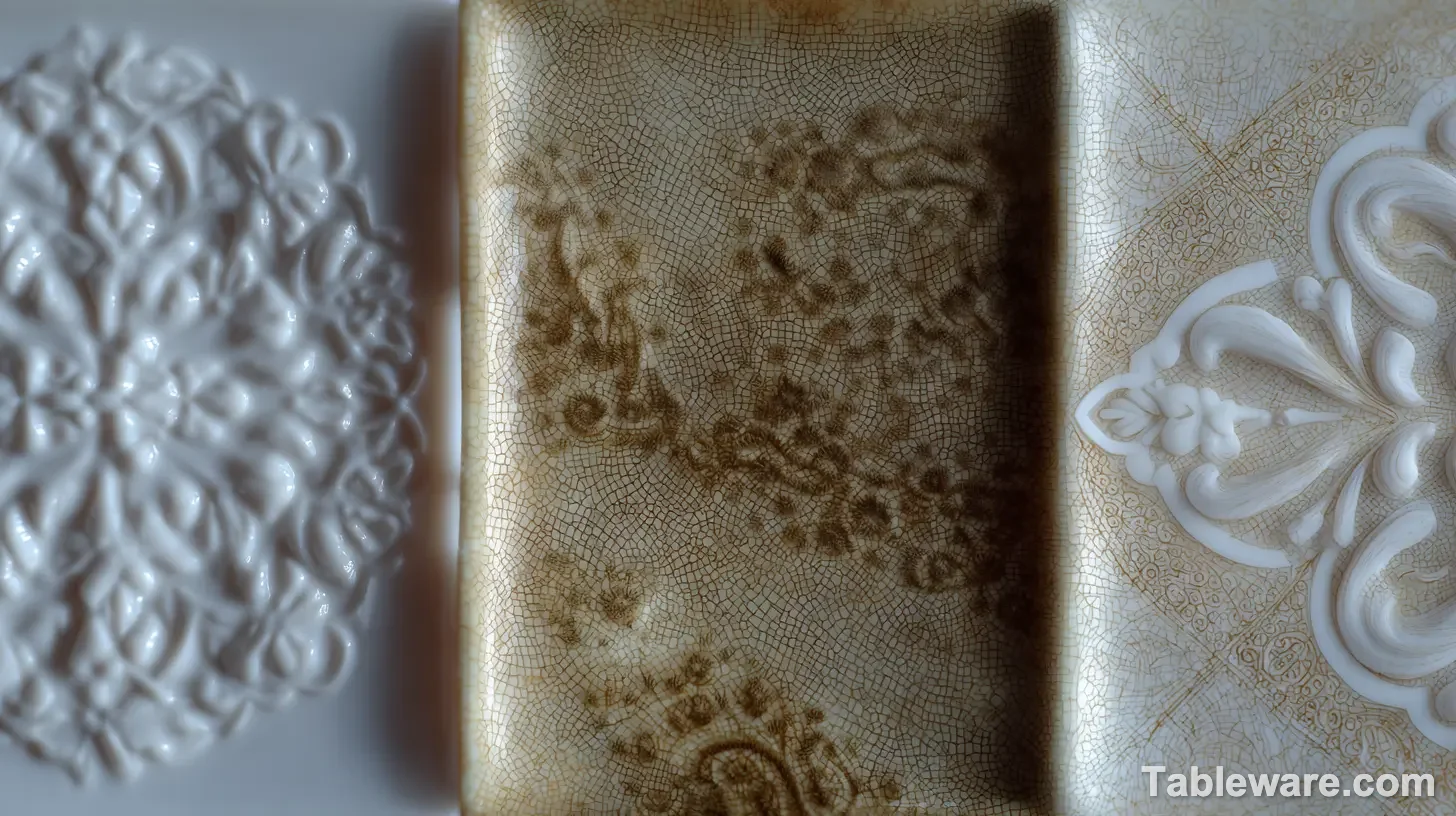
Fig 1. Material structure defines performance. Porcelain (left) shows dense brightness, bone china (center) reveals translucency, and stoneware (right) emphasizes tactile glaze depth.
Stoneware’s beauty lies in variability—but lower-quality versions may show silverware marking if glaze density is insufficient.
2. Plate Geometry: Rimmed vs. Coupe vs. Organic
Shape influences heat retention, portion perception, and stacking efficiency.
Rimmed Plates
- Structured presentation
- Sauce containment
- Easier handling when hot
- Traditional formal aesthetic
Coupe Plates
- Larger flat eating surface
- Modern minimalist look
- Better for contemporary plating styles
Organic Forms (2026 Trend)
- Slightly irregular edges
- Hand-thrown pottery inspiration
- Visual warmth and uniqueness
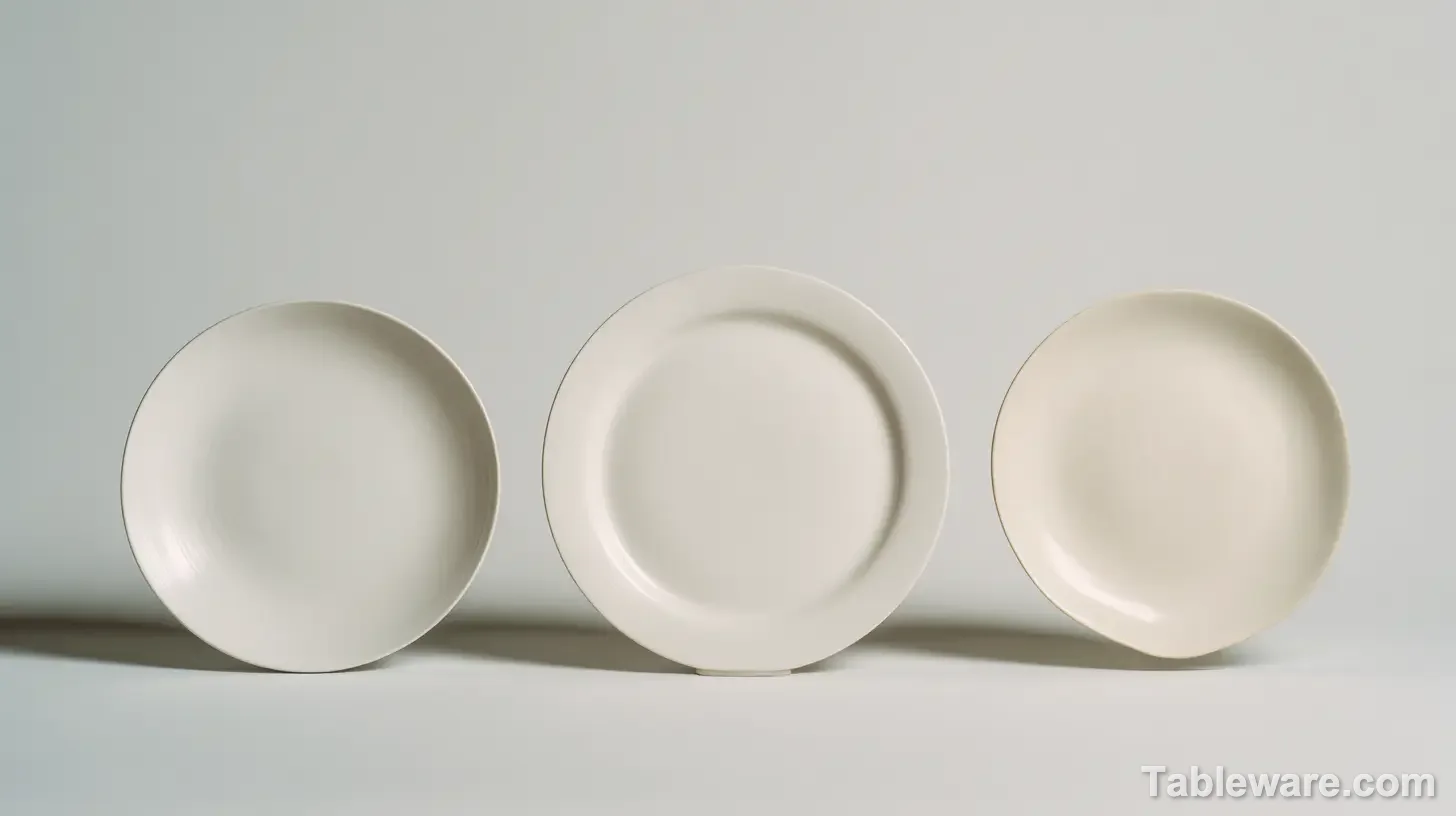
Fig 2. Geometry affects both function and aesthetics. Rimmed designs prioritize containment, while coupe and organic shapes emphasize presentation surface.
Stacking test: always stack three plates in-store. Wobble suggests warping from improper kiln cooling.
3. Flatware Metallurgy: What the Numbers Mean
Stainless steel grades define corrosion resistance and finish quality.
18/0 Stainless Steel
- 18% chromium
- 0% nickel
- Budget-friendly
- Magnetic
- Slightly less corrosion resistant
18/8 Stainless Steel
- 18% chromium
- 8% nickel
- Improved shine
- Better durability
18/10 Stainless Steel
- 18% chromium
- 10% nickel
- Maximum corrosion resistance
- Superior polish retention
- Premium tactile weight
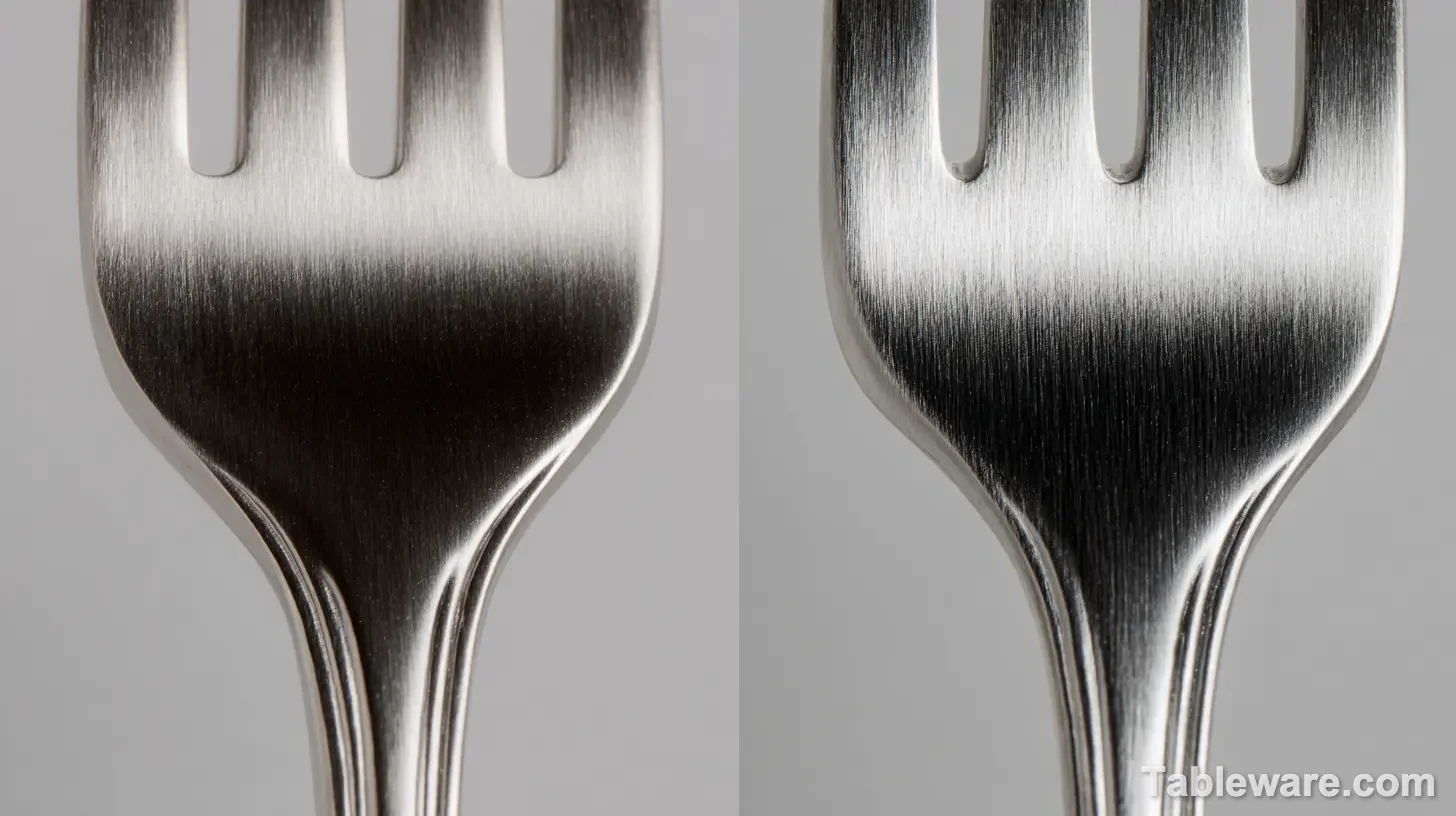
Fig 3. Increased nickel content enhances smoothness and reflectivity. 18/10 steel demonstrates superior surface refinement.
The tactile difference becomes obvious over time—less pitting, less staining, fewer dull spots.
4. Forged vs. Stamped Knives: Structural Integrity
Stamped Knives
- Cut from steel sheets
- Lightweight
- Economical
- Adequate for soft foods
Forged Knives
- Formed from heated steel bars
- Thicker spine
- Better balance
- Stronger long-term durability
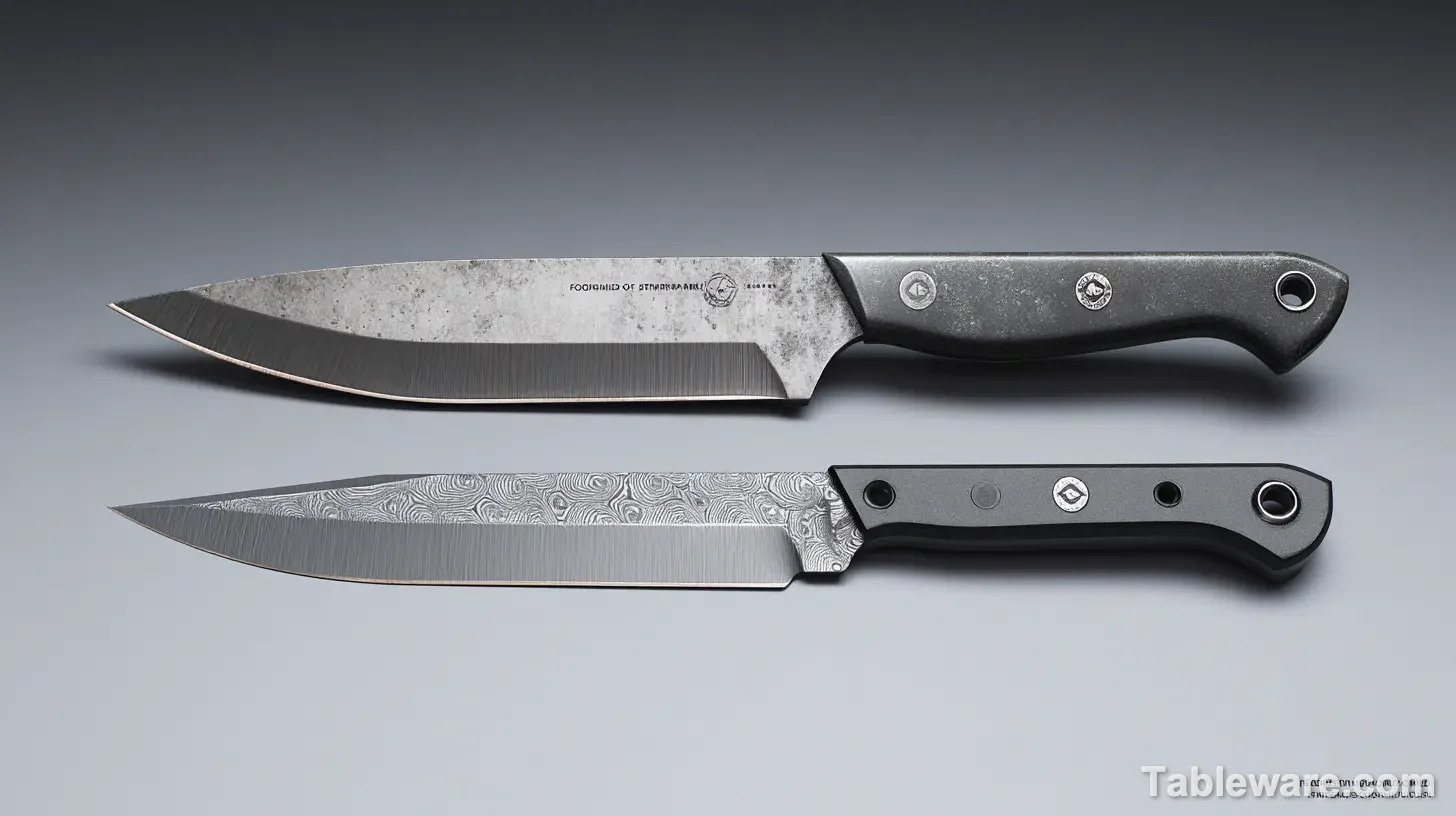
Fig 4. Forged knives (top) display thicker spines and greater mass distribution compared to stamped knives (bottom).
A properly forged dinner knife glides through steak without forcing downward pressure.
5. Surface Finishes & Coatings
Finish determines maintenance requirements.
Mirror Polish
- Reflective
- Formal
- Shows fingerprints
Brushed / Satin
- Subtle
- Modern
- Hides scratches
PVD Coating (Physical Vapor Deposition)
A molecular-level coating process used for:
- Matte Black
- Champagne Gold
- Copper
- Gunmetal
Advantages:
- Color bonded at atomic level
- Higher durability than spray coating
- Scratch resistant
However, harsh detergents can dull even premium finishes over time.
6. Ergonomics & Balance Engineering
In high-end flatware, balance point sits near the bolster (where blade meets handle).
Evaluation checklist:
- No sharp seam edges
- Smooth neck transition
- Even weight distribution
- Comfortable pinch grip
Computer-aided design now simulates pressure distribution along fingers.
A well-designed fork reduces hand fatigue over long dinners.
7. Durability Testing Protocol (At Home)
You can simulate performance tests:
- Flex Test: Press fork tines lightly. Excessive bending = thin gauge steel.
- Edge Test: Slice a tomato with minimal force.
- Dishwasher Endurance: 20 cycles, inspect for rust spots.
- Thermal Shock Test (Ceramics): Pour hot water into room-temperature bowl—observe cracking risk.
Longevity is cumulative resilience.
8. Sustainability & Manufacturing Transparency
In 2026, sustainability is not optional.
Look for:
- Recycled stainless steel content
- Lead-free glazes
- Ethically audited factories
- Minimal plastic packaging
High-quality flatware may last 20+ years. Cheap replacements every two years multiply environmental impact.
Durability is sustainability.
9. Price Breakdown: What You’re Actually Paying For
| Price Range | Typical Characteristics |
|---|---|
| $20–$40 | 18/0 steel, stamped knives, thin gauge |
| $50–$120 | 18/8 steel, improved balance, better polish |
| $150–$300+ | 18/10 steel, forged knives, PVD finishes, ergonomic refinement |
Weight is often the first indicator of quality—but balance matters more than heaviness.
10. Styling Harmony: Matching Plates & Flatware
- Matte stoneware pairs well with brushed or black finishes.
- Fine porcelain complements mirror-polished steel.
- Earth-tone ceramics align beautifully with champagne gold PVD.
Intentional pairing elevates visual cohesion.
The table becomes architecture.
Dining tools are extensions of the hand. They meet the mouth. They frame nourishment.
When material science, ergonomic design, and aesthetic restraint intersect, tableware transcends function—it becomes ritual infrastructure.
And once you begin noticing the balance of a knife, the translucency of porcelain under candlelight, the quiet density of a stoneware bowl in your palm… it becomes impossible to return to the ordinary.