Introduction: The "Daily Driver" Dilemma
When we think of high-end tableware, our minds often drift to gold-rimmed bone china or artisan-crafted stoneware. However, for the average household, the most important plates aren't the ones used for weddings or holidays—they are the "daily drivers." These are the plates that survive the Tuesday night rush, the dishwasher's high-heat cycle, and the occasional slip from a child's hand.
Finding the perfect everyday set is surprisingly difficult. You need a material that is tough enough to resist chipping, light enough to handle easily, attractive enough to host a casual brunch, and affordable enough that you won't mourn a single broken piece.
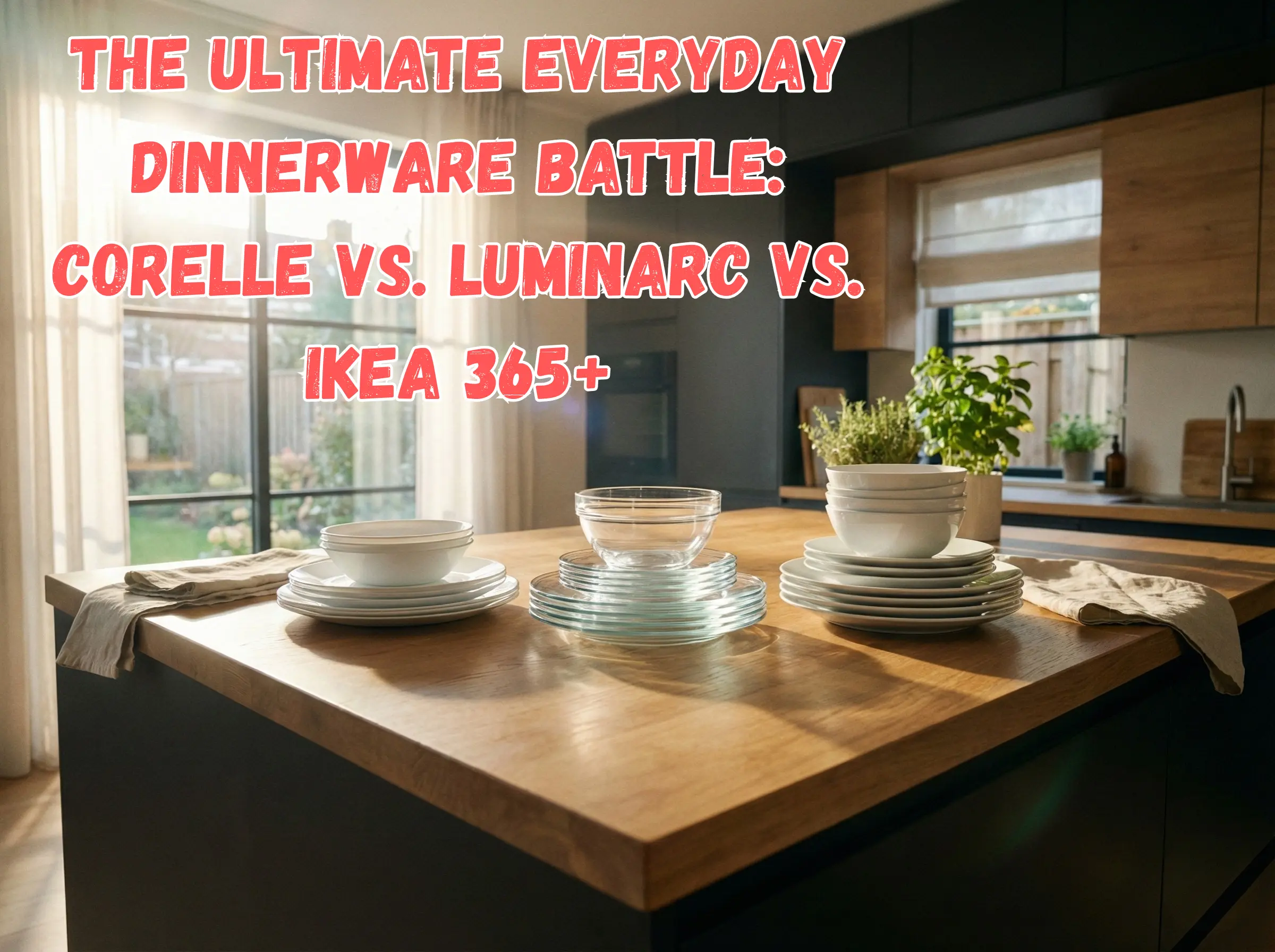
In this comprehensive review, we are putting three of the world’s most popular dinnerware lines to the test: Corelle (Vitrelle Glass), Luminarc (Tempered Glass), and IKEA 365+ (Feldspar Porcelain). We will analyze their material science, durability, storage efficiency, and long-term aesthetic value to help you decide which belongs in your kitchen.
1. The Contenders: Material Science and History
To understand how these plates perform, we must first understand what they are. While they all look like "white plates," their molecular structures are vastly different.
Corelle: The NASA of Tableware
Corelle is a household name, particularly in North America and Asia. Its secret lies in Vitrelle glass, a proprietary material developed by Corning Glass Works (the same company that created Gorilla Glass for your smartphone).
Vitrelle is a three-layer glass laminate. Imagine a sandwich where the "bread" is a clear, high-compression skin glass and the "filling" is a core glass. These layers are thermally bonded together. This creates a plate that is incredibly thin and lightweight, yet possesses a surface compression that makes it nearly impossible to chip. It is, quite literally, engineered glass.
Luminarc: The French Tempered Giant
Luminarc is the consumer brand of the French company Arc International. Unlike Corelle’s laminated approach, Luminarc usually utilizes fully tempered glass.
In the tempering process, the glass is heated to extreme temperatures and then rapidly cooled with cold air. This creates a state of internal tension and external compression. While thicker and heavier than Corelle, Luminarc plates are designed to be "shock resistant." When they do break, they are designed to shatter into small, blunt cubes rather than dangerous jagged shards—similar to an automobile windshield.
IKEA 365+: The Swedish Design Staple
The IKEA 365+ series represents the traditionalist in this fight. It is made of feldspar porcelain. Porcelain is a ceramic material fired at incredibly high temperatures (up to 1,400°C), which causes the clay to vitrify—turning it into a non-porous, glass-like solid.
IKEA uses feldspar as a flux to ensure the porcelain is dense and white. While it lacks the high-tech "laminated" or "tempered" properties of the glass contenders, it offers the classic "clink" and substantial weight that many diners associate with quality.
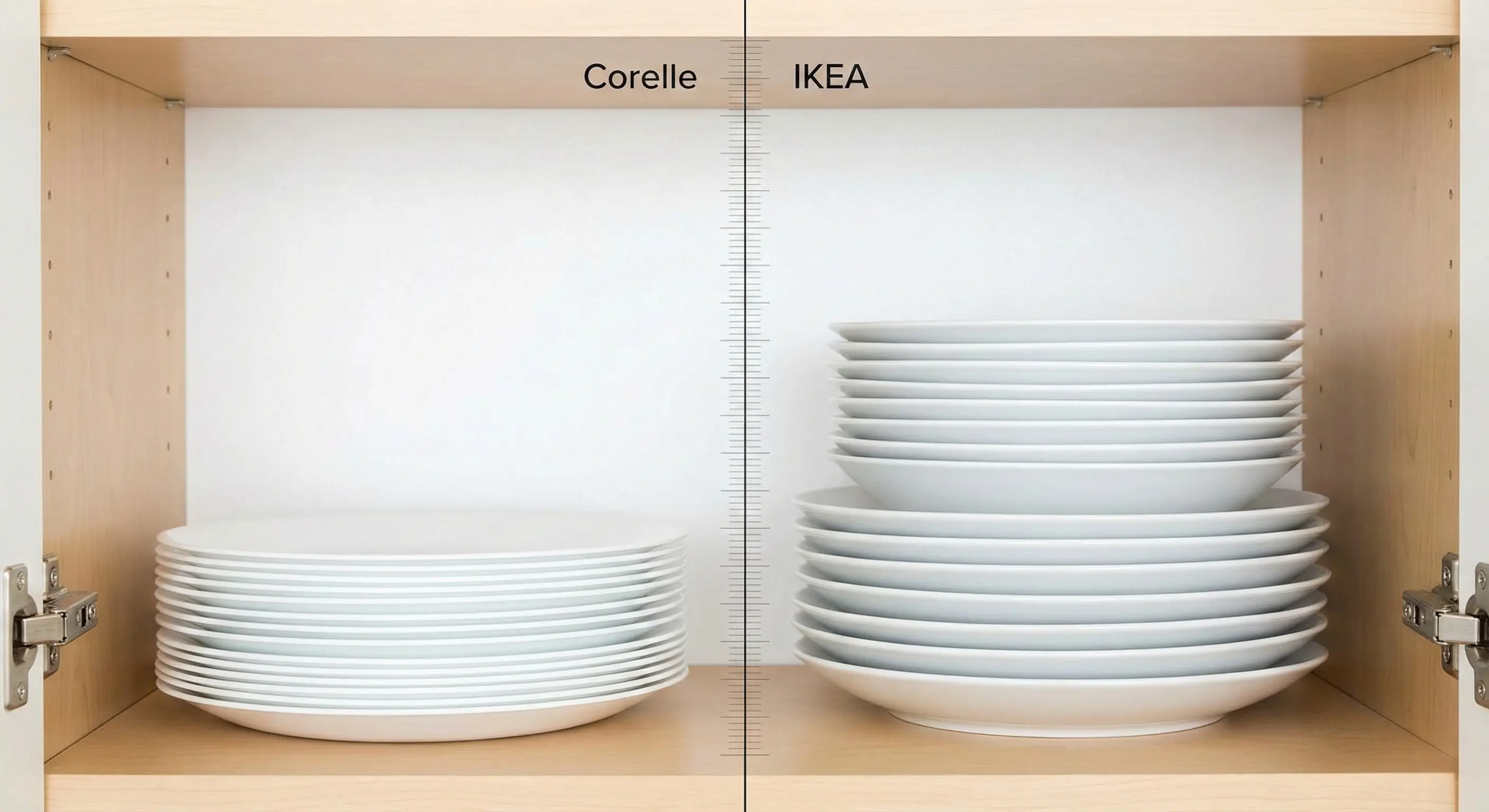
Fig 1. The Space Test: Twelve Corelle plates (left) occupy less than half the vertical space of twelve IKEA 365+ plates (right).
2. Testing Criterion 1: Durability and The "Chip" Factor
The number one reason people replace dinnerware isn't because they want a new style—it’s because their current plates are chipped. We performed three "clumsiness simulations" to see how our contenders fared.
The Edge-Knock Test
We tapped the edge of each plate against a granite countertop—a common occurrence when unloading a dishwasher.
- Corelle: Virtually invincible. The laminated edge simply bounced off the granite.
- Luminarc: Performed well, though the heavier weight meant the impact felt "harder." No chips were recorded.
- IKEA 365+: After three taps, a small "flea bite" chip appeared on the rim. Porcelain is hard but brittle; it cannot compete with engineered glass in edge-impact resistance.
The Drop Test (Tile Floor)
We dropped one plate of each brand from a height of 3 feet (countertop height) onto a ceramic tile floor.
- Corelle: It bounced. It literally bounced twice and came to rest unharmed. However, Corelle has a "Achilles heel": if hit at the perfect angle on a hard surface, the stored tension causes it to explode into thousands of tiny shards.
- Luminarc: It survived the first drop but shattered on the second. Like Corelle, it breaks into many pieces, but they are generally less sharp.
- IKEA 365+: It broke into four large, jagged pieces on the first drop. While it broke immediately, the cleanup was actually easier because the pieces were large and easy to spot.
The Scratch Test (Steel Knives)
We used a serrated steak knife to simulate years of cutting.
- Corelle & Luminarc: Being glass, the surface is incredibly hard. There were zero visible scratches.
- IKEA 365+: After heavy use, "metal marking" (grey streaks) can appear on the glaze. This isn't the plate scratching, but the plate actually sanding down the softer metal of the knife. This requires special cleaners to remove.
3. Testing Criterion 2: Storage and Ergonomics
For those with small urban kitchens, storage efficiency is the "silent" feature of dinnerware.
Stacking Height: Corelle is the undisputed king here. Because the plates are so thin, a stack of twelve Corelle dinner plates is roughly 2.5 inches high. The same stack of IKEA 365+ porcelain plates is nearly 6 inches high. If you have limited shelving, Corelle allows you to double your storage capacity.
Weight and Handling:
- Corelle: Feels almost like high-quality plastic because it is so light. This is a pro for elderly users or those with arthritis, but a con for those who like a "premium" heavy feel.
- IKEA 365+: Substantial. It feels like "real" pottery. Carrying a stack of six to the table feels like a workout.
- Luminarc: A comfortable middle ground. It has the "weight of quality" without being cumbersome.
4. Testing Criterion 3: Microwave and Thermal Performance
How do these plates handle the heat? We tested them with a 3-minute microwave reheat of leftovers.
Microwave Safety:
- Corelle: The plate remained relatively cool to the touch while the food got piping hot. This is because the glass does not absorb microwave energy.
- IKEA 365+: The plate itself became quite hot, especially the bottom rim. Porcelain can sometimes hold moisture in the unglazed foot, which heats up rapidly in the microwave.
- Luminarc: Similar to Corelle, it performed efficiently, though some of their thicker designs held more residual heat from the food.
Thermal Shock: We took plates from a cold refrigerator and placed them directly into a pre-heated oven (100°C).
- Corelle and Luminarc are both designed to handle thermal shock exceptionally well.
- IKEA 365+ is oven-safe, but it is more susceptible to cracking if the temperature change is too sudden (e.g., pouring boiling water onto a frozen plate).
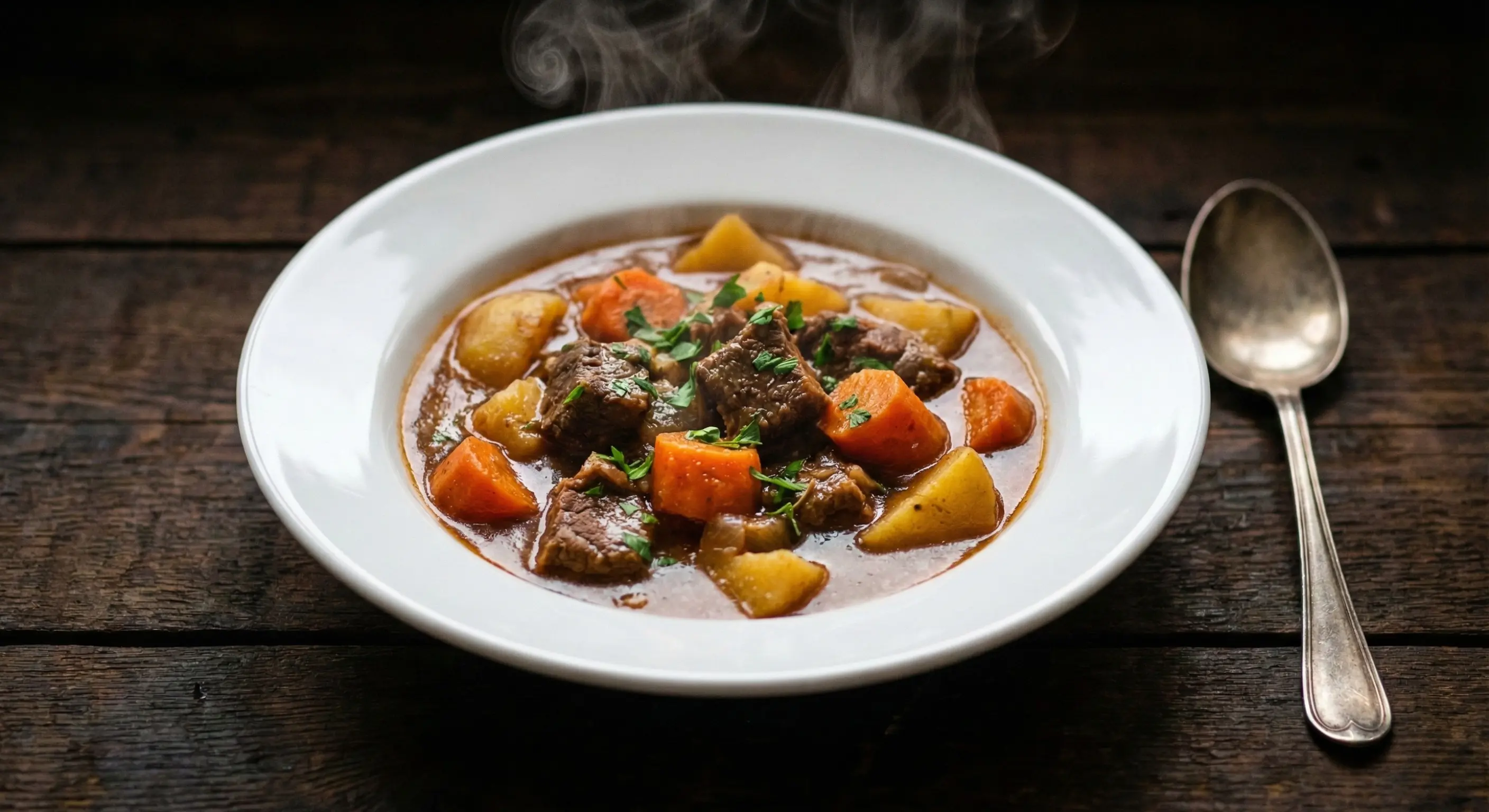
Fig 2. Aesthetic Appeal: The thick, creamy white glaze of IKEA's porcelain provides a classic "restaurant" look that glass struggles to replicate.
5. Aesthetics and The "Fine Dining" Illusion
While durability and storage are logical factors, dining is an emotional experience. How do these plates look on a set table?
The Porcelain Look (IKEA): IKEA 365+ wins on traditional aesthetics. The feldspar porcelain has a slight creaminess and a depth of glaze that reflects light beautifully. It looks like "real" china. If you are hosting a dinner party, your guests will likely prefer the feel of the IKEA porcelain.
The Glass Look (Corelle & Luminarc): Corelle often features printed patterns. While some are classic (like the "Winter Frost White"), others can look a bit "stamped on" compared to the hand-painted or glazed look of ceramics. Corelle plates are also very flat, which some find modern and others find lacking in character. Luminarc excels in "Modern Minimalism." Their clear glass and opal glass lines have a very clean, clinical look that fits well in a high-tech, modern kitchen.
6. Summary Comparison Table
| Feature | Corelle (Vitrelle) | Luminarc (Tempered) | IKEA 365+ (Porcelain) |
|---|---|---|---|
| Durability | Extremely High | High | Medium |
| Weight | Very Light | Medium | Heavy |
| Stackability | Best (Ultra-thin) | Good | Average |
| Microwave | Excellent (Stays cool) | Very Good | Good (Gets hot) |
| Feel | Like high-tech glass | Substantial glass | Traditional ceramic |
| Price | Mid-range | Budget-friendly | Very Budget-friendly |
7. The Final Verdict: Which One Should You Buy?
After weeks of testing and years of observation, the "best" plate depends entirely on your household's specific needs.
Buy Corelle Vitrelle If...
You have a busy household with kids, limited cabinet space, or you simply hate heavy dishes. Corelle is the ultimate utilitarian choice. It is the only dinnerware that can survive a decade of "dishwasher-to-table" cycles without looking a day older. It is the "Buy It For Life" (BIFL) choice for the practical consumer.
Buy IKEA 365+ If...
You are on a budget but love the "Bistro" or "Cafe" aesthetic. If you enjoy the weight of a plate and want your home cooking to look like it’s from a professional kitchen, porcelain is the way to go. It is inexpensive enough that replacing a chipped plate every year won't break the bank.
Buy Luminarc If...
You want the durability of tempered glass but dislike the "paper-thin" feel of Corelle. Luminarc provides a modern, French-designed alternative that feels more substantial while offering significantly better chip resistance than standard ceramic.
Regardless of your choice, all three brands offer incredible value. The era of needing "good china" is over—today’s materials allow us to have strength, beauty, and practicality all in one set.