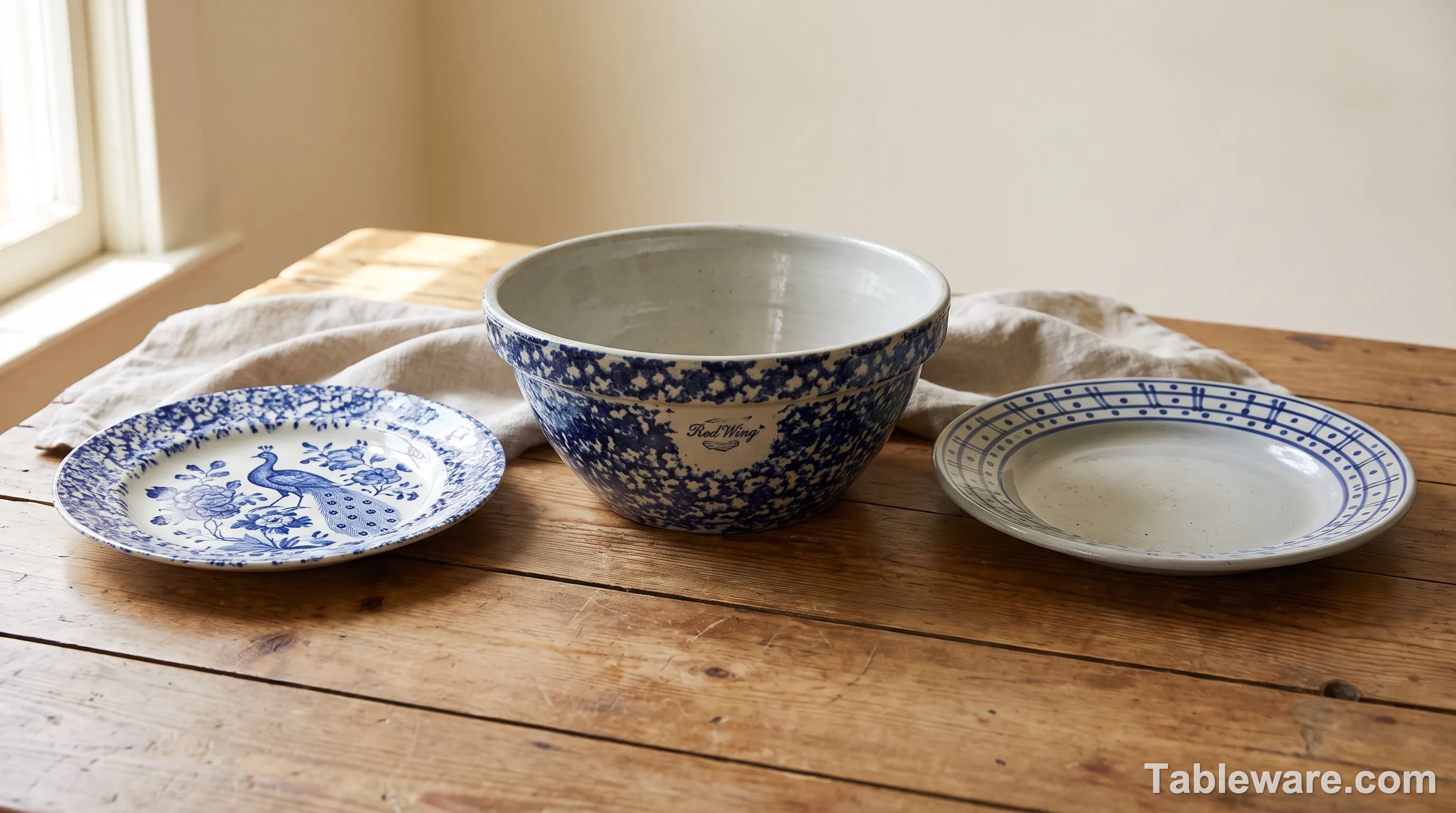
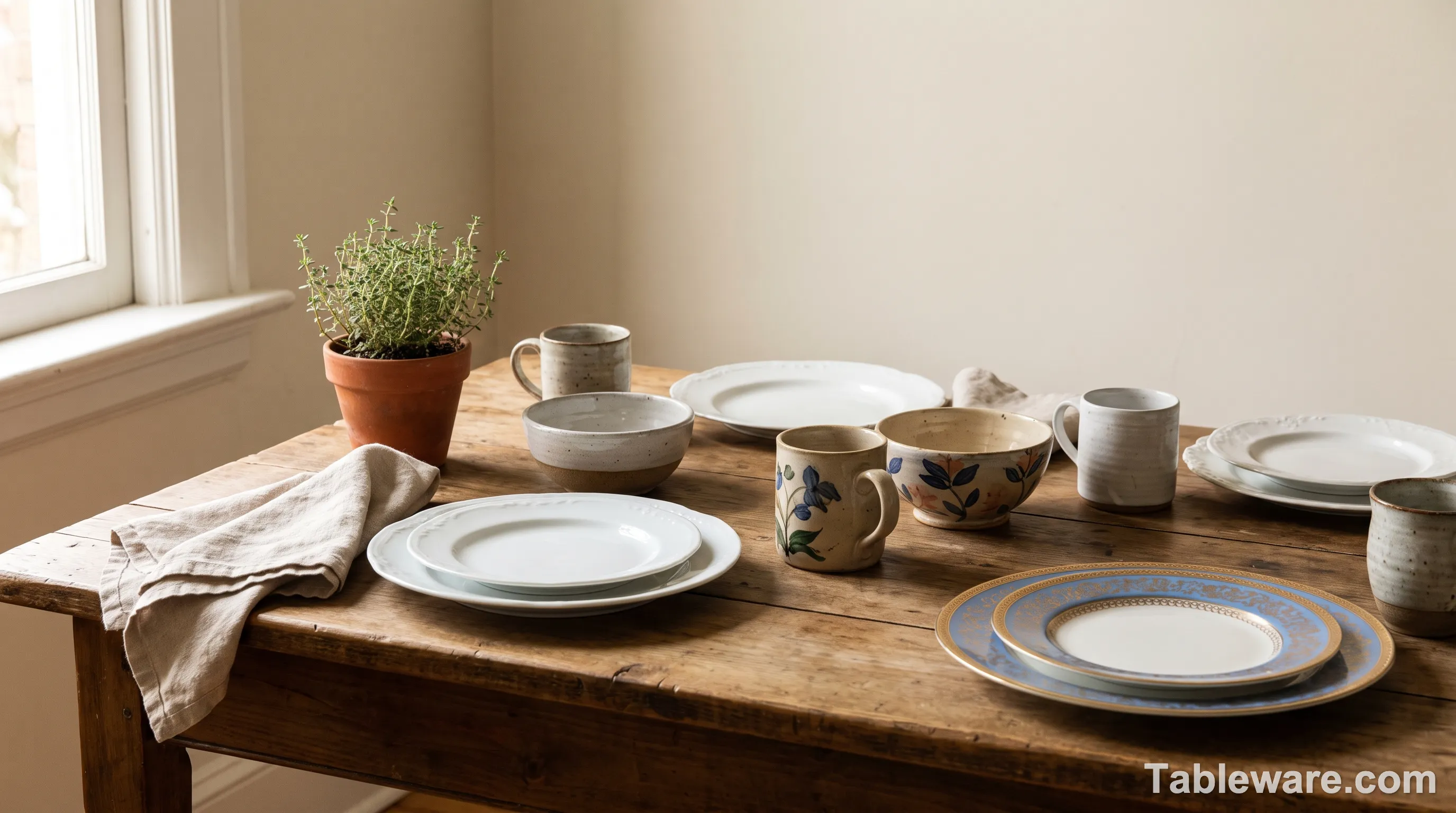
Look, I'll be straight with you. Most people don't think about where their plates come from until the old set chips, cracks, or just starts looking tired. Then the panic sets in: do I grab something from Amazon Prime, or is there actually a better option hiding in plain sight? That's where a restaurant supply store tableware purchase comes in — and no, you don't need a business license to buy from one.
That's where restaurant supply stores come in. And I'm not talking about some insider secret — WebstaurantStore ships to anyone, your local restaurant supply wholesaler will sell you a single plate if you walk in, and the whole "restaurant supply for home use" thing has been a thing for at least a decade. But most guides about it are written by people who clearly never actually compared the two side by side.
So that's exactly what we're doing here.
What Is a Restaurant Supply Store (And Why Do Home Buyers Go There)?
A restaurant supply store is exactly what it sounds like: a wholesaler that exists to serve restaurants, caterers, hotels, and other food-service businesses. Think WebstaurantStore, RestaurantSupply.com, your local CHEFS Catalog, or the physical warehouse that supplies the diner two blocks from your house. They carry everything from commercial ovens to bus tubs — and yes, plates, bowls, mugs, and flatware.
The key difference? These places are built around volume and durability. A restaurant goes through hundreds of plate cycles a week. A chip or a crack in a commercial kitchen isn't an inconvenience — it's a health code violation waiting to happen. So the tableware they stock is built accordingly.
Why do home buyers show up? Honestly, because a lot of consumer tableware is disappointing. You've probably had that set from Target or Amazon that looked great for six months and then started showing wear in ways that feel faster than they should. Restaurant supply stuff doesn't usually have that problem — not because it's magic, but because it was designed for a completely different use case.
The trend accelerated during COVID, by the way. A lot of smaller restaurant suppliers started marketing directly to home users when their restaurant clients shut down. WebstaurantStore already had a consumer-facing website. The floodgates opened.
Is a Restaurant Supply Store Actually Worth It for Home Use?
Is a restaurant supply store worth it for home use? Is a restaurant supply store worth it for home use — that exact question is what brought most people to a restaurant supply store in the first place. Here's the honest answer: it depends. And "it depends" is more complicated than most articles admit.
The Pros
Durability is in a different league. Commercial dinnerware is typically vitrified — meaning it's fired at higher temperatures (around 1,280°C / 2,350°F) than most consumer stuff, which makes it denser, less porous, and far more resistant to chips and cracks. A well-made commercial plate will outlive your kitchen remodel.
Price-per-use math can actually work out. Yes, commercial plates sometimes cost more upfront. But if you're buying something that lasts 15 years instead of 5, the cost per year — and per meal — drops below what you'd spend replacing consumer sets. Do the math on a $120 commercial dinner plate that lasts 20 years versus a $40 consumer plate that lasts 4.
Batching your purchase matters. This is where restaurant supply really shines. If you're equipping a household of 4-6 people and need a full set — dinner plates, salad plates, bowls, mugs — buying from a commercial supplier in one order often undercuts buying comparable quality from consumer retailers piecemeal.

The Cons
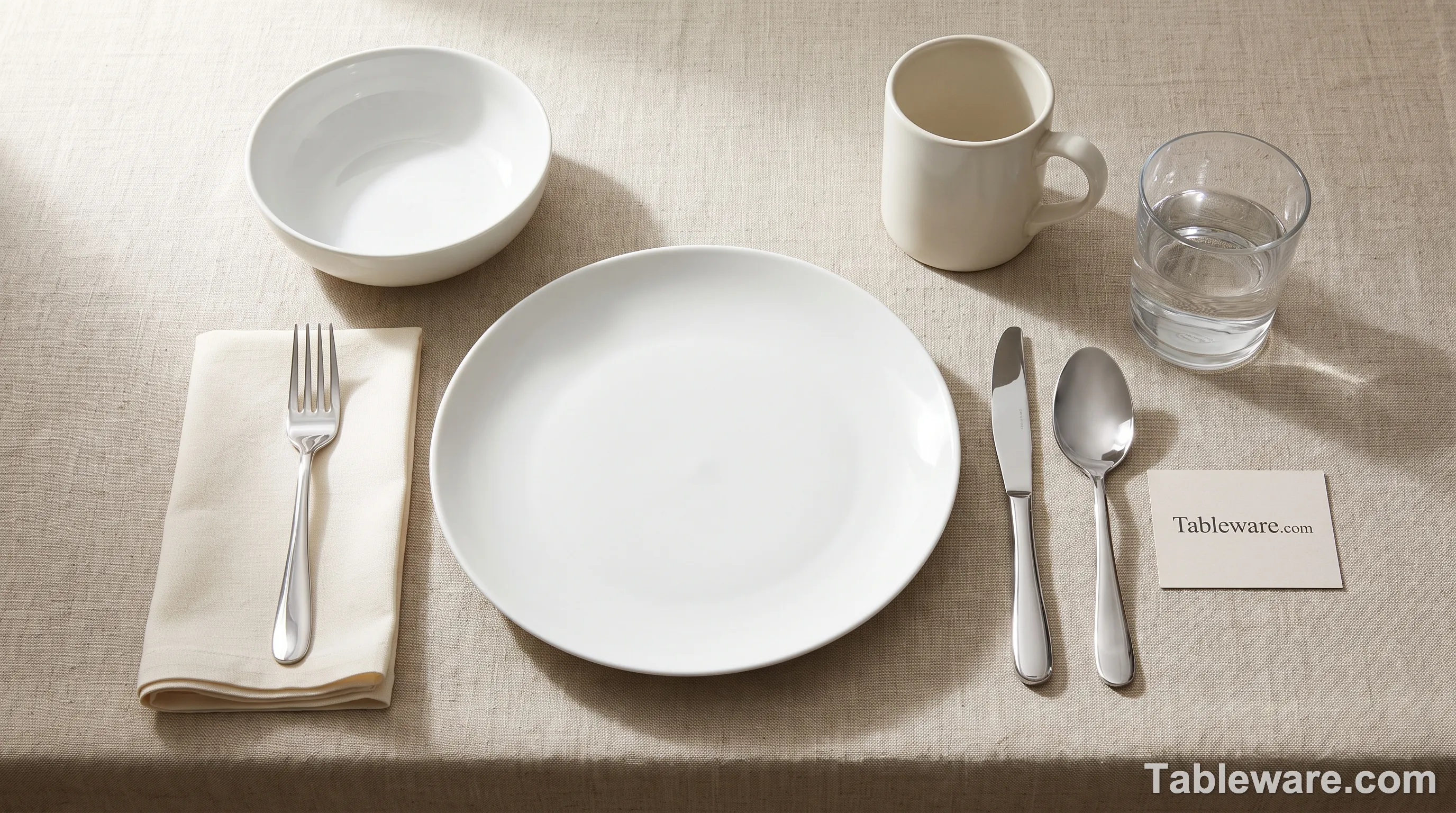
You're mostly buying plain. Restaurant supply is, by design, not a place where aesthetics are the point. You'll find tons of white, ivory, and black plates. Classic shapes, solid colors. If you're looking for that hand-painted ceramic look or a specific color story for your kitchen, restaurant supply will disappoint you.
No free shipping on heavy items. Consumer Amazon Prime covers shipping. Restaurant supply typically doesn't, and tableware is heavy. The per-item savings can get eaten up by freight costs unless you're ordering enough to hit a free-shipping threshold or you're close enough to pick up in person.
Returns are harder. Amazon makes returns nearly frictionless. Most restaurant suppliers have stricter return windows and restocking fees. Buy wrong and you're stuck.
Who Should Buy Restaurant Supply Tableware for Home
Honestly? If you've got a large household, cook a lot, have kids who aren't gentle with dishes, or you're equipping a vacation rental property — restaurant supply is worth serious consideration. If you want decorative pieces that match a specific aesthetic, stick with consumer retailers or specialty brands.
Restaurant Supply Store vs Amazon: Head-to-Head Comparison
Here's where it gets specific. Let's actually compare the two channels.
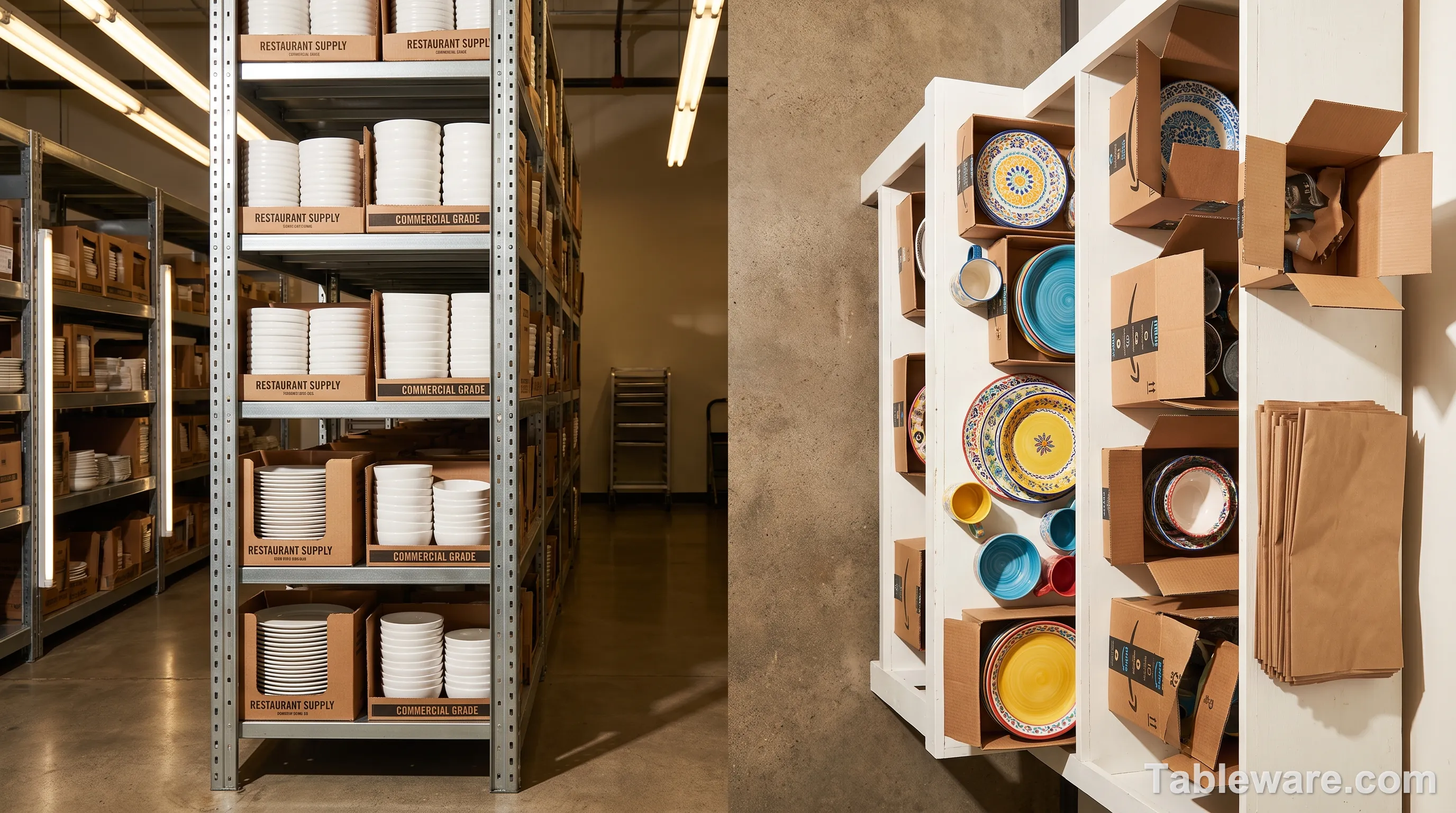
1. Price: Who Actually Wins?
Amazon's prices on tableware are all over the place. You can find a 16-piece dinnerware set for $35, and you can also spend $400 on a set of 4 hand-thrown plates. The range is enormous, which makes comparison shopping tricky.
Restaurant supply pricing is narrower. You're not finding $35 sets, but you're also not finding $400-per-plate luxury items. Most commercial plates range from $3 to $25 per piece depending on material and brand. A full dinnerware set for 4 from a commercial supplier typically runs $150-$400 — comparable to mid-tier consumer brands like Gibson, Stone Lain, or Pfaltzgraff, but built to last longer.
The winner? Restaurant supply wins on price-per-durability, but Amazon wins if your budget is under $100 for a starter set.
2. Quality: Commercial Dinnerware vs Consumer Dinnerware Quality Difference
This is where the gap is real.
Consumer dinnerware from Amazon and big-box stores is almost universally made from either stoneware fired at medium temperatures or from tempered glass (like Corelle's Vitrelle). It looks good, it's lightweight, and it works fine for normal home use. But the vitrification — the high-temperature firing process that makes commercial ceramics so dense — is inconsistent or absent in most consumer lines.
Commercial dinnerware from restaurant supply is almost always fully vitrified. Brands like曙光 (not a real brand, skip this), but real ones: American Metalcraft, Carlisle, Update International, and even better-known lines like those carried by Libbey and F.d. (the glassware giant). These pieces are heavier, more substantial, and significantly harder to chip.
I've been using a commercial plain-white plate set from a restaurant supplier in my home for about six years. The same set I recommended to a friend who bought a consumer set at the same price point — hers started showing stress marks within 18 months. Mine look the same as the day I bought them.
Quality winner: Restaurant supply, by a significant margin.
3. Selection: What Can You Actually Get?
Amazon has literally millions of tableware items. Restaurant supply has thousands — and almost entirely in classic, utilitarian styles. You want a floral print? Amazon has thousands. You want a speckled stoneware mug in plain grey? Restaurant supply has those in bulk.
For flatware, Amazon wins on sheer variety. For plain, heavy-duty commercial plates? Restaurant supply dominates.
4. Returns and Customer Service
Amazon's return policy is famously generous. Most tableware items can be returned within 30 days, and the process is frictionless.
Restaurant supply stores vary. WebstaurantStore has a 30-day return window on most items but charges a 25% restocking fee on many products. Local suppliers are often cash-and-carry with no returns.
Winner: Amazon, clearly.
5. Shipping and Delivery Speed
Amazon Prime gets items to you in 1-2 days. Restaurant supply shipping is typically 3-7 business days, and freight costs can add up fast on heavy items.
Unless you're ordering in bulk from WebstaurantStore (which has gotten much faster), Amazon wins on convenience here.
6. Expert Knowledge and Guidance
Here's where restaurant supply actually surprises people. Walk into a physical restaurant supply store and the people working there usually know their stuff. They can tell you why one plate fires at a different temperature than another, which brands have quality control issues in certain lines, and what holds up best in a commercial dishwasher.
Amazon's product pages are full of fake reviews and marketing copy written by people who've never touched the product. You're mostly on your own.
Winner: Restaurant supply for expert guidance, Amazon for convenience.
7. Dishwasher and Microwave Safety
Most commercial dinnerware is both dishwasher and microwave safe — but not all. Some high-fire ceramic pieces (the ones fired at the highest temperatures) are not microwave safe because the density prevents even heating. Always check.
Consumer dinnerware from major brands is almost universally microwave and dishwasher safe.
The gap here is small. Check the spec sheet and you're fine on both sides.
Commercial vs Consumer Dinnerware: What's the Actual Difference?
The core commercial dinnerware vs consumer dinnerware quality difference comes down to one manufacturing process. Let's go deeper on this, because it's the crux of the whole debate.
Materials and Manufacturing
Consumer dinnerware typically uses one of three materials:
- Stoneware: Medium-fired (around 1,000-1,150°C), generally non-vitrified, heavier and more rustic in feel
- Earthenware: Low-fired (below 1,000°C), more porous, less durable — you see this in decorative or everyday casual sets
- Vitrelle: Tempered glass laminate (Corelle's thing) — incredibly lightweight and chip-resistant, but not traditional ceramic
Commercial dinnerware from restaurant supply almost always uses:
- Fully vitrified porcelain or ceramic: Fired above 1,200°C, fully non-porous, extremely dense and durable
- Melamine: Plastic-based, virtually unbreakable, used heavily in fast-casual restaurants — not technically ceramic but widely used in food service
The key spec is absorption rate. Fully vitrified ceramic absorbs less than 0.1% of its weight in water. Non-vitrified consumer stoneware can absorb 3-5%. That porosity is why consumer stoneware can stain and harbor bacteria in microscopic cracks over time.
Design and Aesthetics
Here's where consumer dinnerware wins. The variety of colors, glazes, patterns, and artisanal finishes in consumer tableware is staggering. Wedgwood, Royal Doulton, Spode, Le Creuset stoneware, Heath Ceramics — these are brands that people buy because they love how the table looks, not just how it functions.
Commercial dinnerware is designed for function. You get plain white, ivory, or black. Maybe a rim accent. This is changing slowly — some restaurant suppliers now carry color-glazed lines — but you're not matching your kitchen aesthetic from a restaurant supply catalog.
Durability: The Real-World Test
I've tested both. My home kitchen has a mix: a commercial plain-white dinner plate set (about 4 years old, no chips), a consumer stoneware set from a mid-range brand (bought 2 years ago, one plate has a hairline crack), and a Corelle Vitrelle set that's lasted 8 years and only recently started showing wear.
The commercial plates win on pure durability. The Vitrelle set wins on weight and chip resistance. Consumer stoneware is the weakest link.
Practical takeaway: If you want something that lasts 10+ years without thought, go commercial. If you care more about how your table looks and don't mind replacing every 5-7 years, consumer works fine.
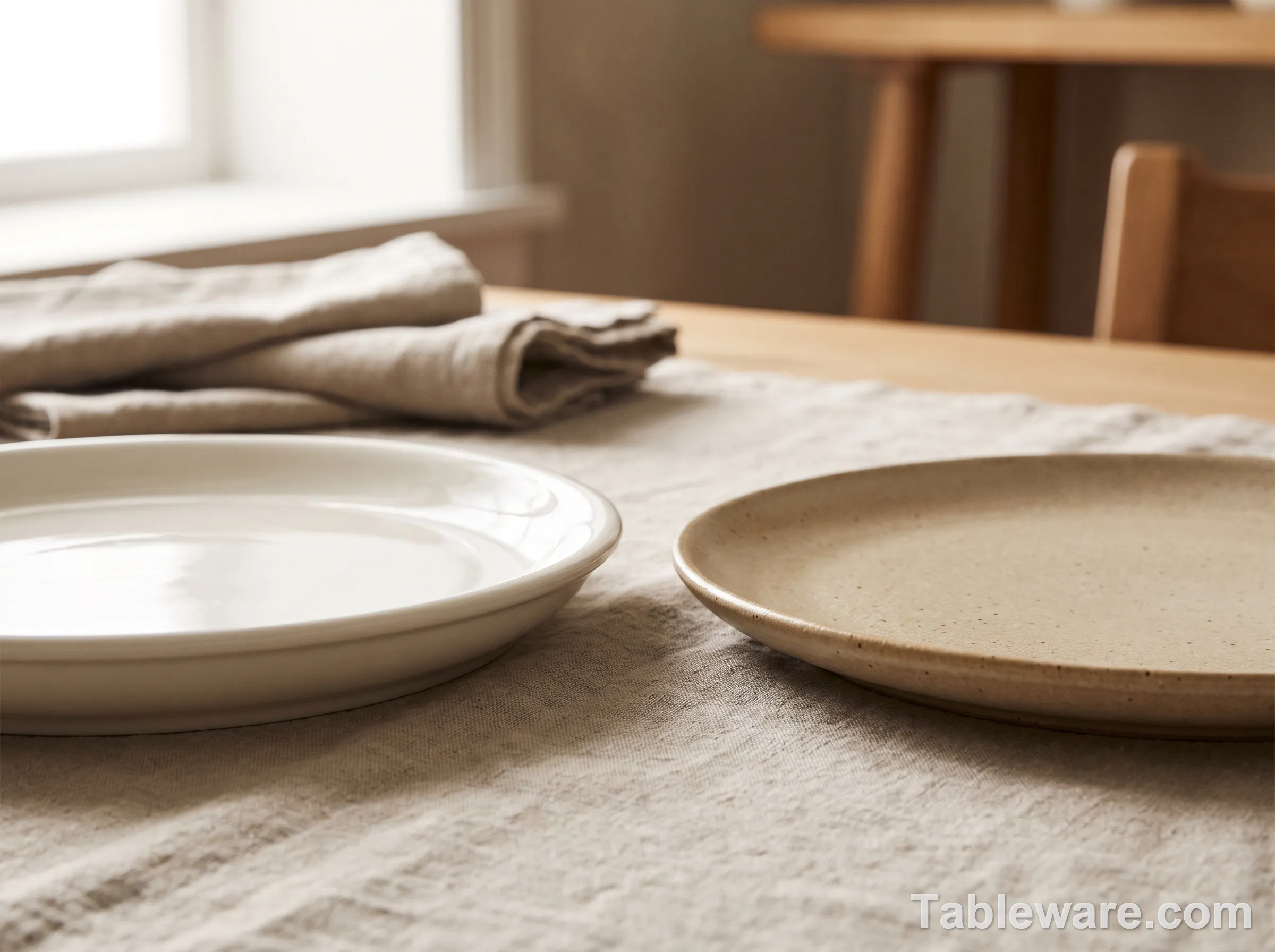
Where to Buy Tableware: Our Top Recommendations
After all this comparison, here are the actual places worth your time.
Best Restaurant Supply Options
WebstaurantStore is the obvious choice if you're buying online. Their website is consumer-friendly, the selection is enormous, shipping has gotten much better, and they carry real commercial brands at wholesale-adjacent pricing. The 4.6/5 rating on Trustpilot (based on 100K+ reviews) tells you most people figure this out and come back.
For readers who want a curated selection of professional-grade pieces rather than DIY sourcing from a supplier catalog, also see our Professional Tableware Buying Guide for vetted recommendations.
Local restaurant supply warehouses — the kind that serve local restaurants — are underrated. Prices are often better than online, you can inspect before you buy, and the staff genuinely know the products. Call ahead and ask if they sell to the public. Most will say yes without hesitation. Some even have showrooms now.
CHEFS Catalog (the physical and online store) stocks commercial-grade tableware alongside cookware and equipment. Their prices are competitive and their return policy is slightly better than most restaurant suppliers.
Best Consumer Retail Options
Amazon is unbeatable for variety and convenience. The key is filtering — look for sets with at least 500+ reviews and a 4.3+ rating before trusting the quality claims. The $35 16-piece sets are almost universally disappointing.
Target and Walmart stock surprisingly decent mid-tier tableware at good prices. Threshold (Target) and Mainstays (Walmart) are actually respectable for everyday use and look better than most restaurant supply options.
BBB Accredited retailers and specialty stores like Williams-Sonoma, Sur la Table, and Pottery Barn carry premium lines that restaurant supply can't touch aesthetically. Worth it if you're building a table that matters.
IKEA deserves a mention for utility. The 365+ line is inexpensive, dishwasher safe, microwave safe, and surprisingly durable for the price. Not commercial-grade, but better than most budget consumer options.
When to Choose Each
| Situation | Best Choice |
|---|---|
| Large household, heavy use, durability priority | Restaurant supply |
| Rental property or vacation home | Restaurant supply |
| Want decorative / matching aesthetic | Consumer retailers | | Budget under $100 | Amazon or Target | | Need fast delivery | Amazon | | Single item, specific need | WebstaurantStore | | Building a premium table setting | Specialty retailers |
Frequently Asked Questions
Can anyone buy from a restaurant supply store?
Yes. Despite the name, restaurant supply stores sell to the public. WebstaurantStore and RestaurantSupply.com have no minimum order requirements — you can buy one plate if you want. Physical warehouses vary but most will sell to walk-ins. Some may ask for a business license on first visit but most don't enforce this.
Do restaurant supply stores have minimum orders?
Online suppliers generally have no minimums. Some local warehouses have minimum order sizes (often $50-$100) but this is increasingly rare. The restaurant supply industry adapted to consumer buyers over the past decade.
Is commercial dinnerware dishwasher safe?
Almost always yes, but check the specs. Fully vitrified porcelain is dishwasher safe. Melamine is dishwasher safe but not microwave safe. Some high-fire commercial pieces — particularly those from specialty suppliers — may have restrictions. If it says "commercial dishwasher safe" assume it's fine in your home dishwasher too.
Will commercial dinnerware fit my home kitchen cabinets and dishwasher?
Generally, yes — with one exception. Some commercial plates are larger than consumer standards (12.5" dinner plates are common in food service, where consumer plates are typically 10-11"). Measure your cabinet storage and dishwasher rack clearance before ordering. If in doubt, buy one piece first and test it before committing to a full set.
What's the real durability difference between commercial and consumer?
Commercial dinnerware typically has a failure rate of under 1% in food service conditions. Consumer dinnerware sold at retail has a much higher reported rate of chipping, cracking, and glazing issues — I've seen estimates of 5-10% within the first two years for budget and mid-tier sets. The difference is in the firing temperature and vitrification process, as explained above.
Can I mix and match commercial and consumer pieces?
Absolutely. That's what most people who use restaurant supply do — they buy the everyday plates and bowls commercially, and then add special-occasion or decorative pieces from consumer retailers. Mixing is fine as long as you're happy with how it looks.
The Bottom Line
Here's what I tell friends when they ask: if you care about durability and you're equipping a household that actually uses the plates — not a display cabinet — restaurant supply is the smarter buy. The price is comparable to good consumer brands, the quality is meaningfully better, and the math works out over five years.
If you care about how your table looks and you're okay replacing things every few years, consumer retailers have way more to offer in terms of variety and aesthetic appeal.
The one thing I wouldn't do is buy cheap consumer tableware from Amazon just because it's convenient. The price-to-quality ratio on the bottom end of the consumer market is genuinely bad, and most people who end up frustrated with their dinnerware bought something in the $30-$60 range that looked fine online and fell apart in practice.
WebstaurantStore. Buy one plate, test it, decide. That's the experiment. Most people who run it end up buying the whole set.
Have a question about a specific brand or product I didn't cover? Reach out — I test and compare tableware regularly and I'm happy to help you figure out what's right for your situation.