Choosing everyday dinnerware is a deceptively complex task. It is, perhaps, one of the most intimate purchases you make for your home. Unlike a formal china set brought out only for Thanksgiving or Christmas, your everyday plates are the workhorses of your kitchen. They hold your hurried Tuesday morning toast, your comforting Friday night takeout, and your lazy Sunday brunch.
They need to be tough enough to survive the dishwasher daily, microwave-safe for reheating leftovers, yet stylish enough that you enjoy looking at them three times a day for the next decade. A poor choice results in chipped rims, gray cutlery marks, and a cabinet full of mismatched survivors. A wise choice, however, elevates the mundane act of eating into a daily ritual of pleasure.
This guide cuts through the marketing jargon to help you select the perfect everyday dinnerware set that balances structural integrity with aesthetic appeal.
The Foundation: Understanding Material Matters
The single most important factor defining the lifespan and utility of your dinnerware is the material. While they may all look like "ceramics" on the shelf, the differences in clay composition and firing temperatures create vast differences in performance.
1. Earthenware: The Rustic Introduction
Earthenware is one of the oldest forms of ceramic. It is fired at relatively low temperatures, resulting in a porous body that must be glazed to be watertight.
- The Aesthetic: It often features thick, heavy bodies and is frequently hand-painted with vibrant colors or rustic designs. It feels substantial and comforting.
- The Reality for Everyday Use: Earthenware is notoriously fragile. Because it is porous below the glaze, if it chips, it can absorb water, leading to crazing (a network of fine cracks in the glaze) or even cracking in the microwave as the absorbed water turns to steam. It is generally dishwasher safe but prone to chipping during loading and unloading.
- Verdict: Best avoided for heavy, daily family use. It is better suited for serving platters or occasional accent pieces.
2. Stoneware: The Durable Workhorse
Stoneware is the sweet spot for many households. Fired at much higher temperatures than earthenware, the clay body becomes "vitrified" (glass-like and non-porous) even before glazing.
- The Aesthetic: Stoneware has a denser, heavier feel than porcelain but is more refined than earthenware. It excels in earthy tones, reactive glazes that create unique speckled patterns, and matte finishes. It often straddles the line between rustic charm and modern minimalism.
- The Reality for Everyday Use: It is incredibly durable, chip-resistant, and inherently safe for microwaves, dishwashers, and often ovens (check the manufacturer's label). Its thickness helps retain heat, keeping food warm longer.
- Verdict: An excellent choice for everyday dining. It offers a great balance of durability, aesthetic variety, and price point.
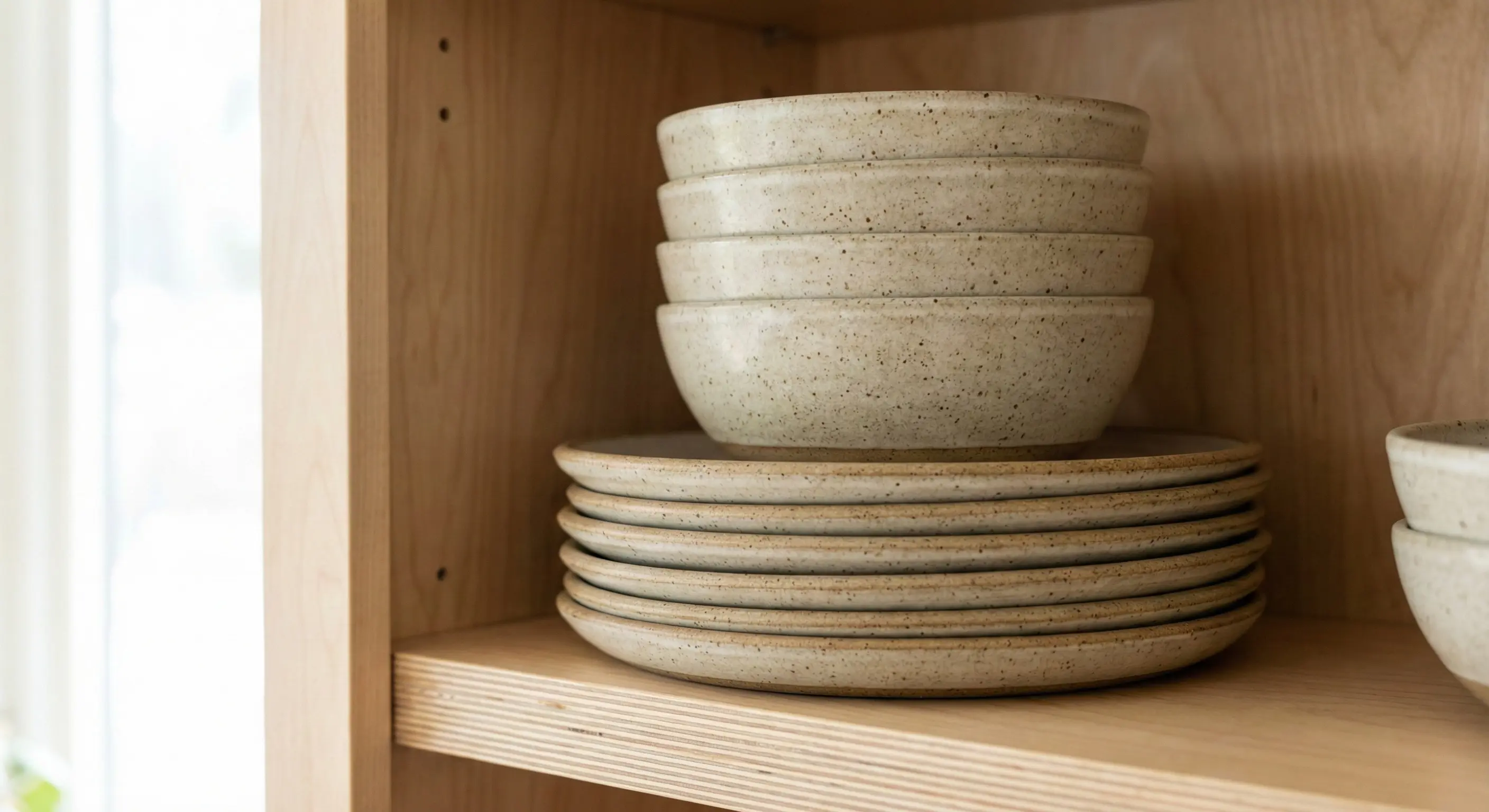
Fig 1. High-quality stoneware offers excellent stackability and durability for daily cabinet storage.
3. Porcelain: The Versatile Performer
Often misunderstood as delicate, true porcelain is actually harder and more durable than stoneware. Fired at extreme temperatures, it becomes white, translucent (in thinner gauges), and completely non-porous.
- The Aesthetic: Porcelain is known for its bright white color and ability to be molded into thinner, more elegant shapes than stoneware. It provides a clean, classic canvas for food. While often polished and shiny, modern matte porcelain is increasingly popular.
- The Reality for Everyday Use: Despite its refined appearance, porcelain is incredibly tough and resistant to scratching from cutlery. It is dishwasher and microwave safe. Because it can be made thinner, it is often lighter than stoneware, which can be a plus when loading a full dishwasher.
- Verdict: A superb choice for everyday use if you prefer a cleaner, lighter, or more classic aesthetic over the rustic feel of stoneware.
4. Bone China: Luxury for Breakfast?
As discussed in our Wiki section, Bone China adds bone ash to the porcelain mix, creating the strongest ceramic material known, despite being the lightest and thinnest.
- The Reality for Everyday Use: While technically strong enough for daily use, its high price point and often elaborate decorations (like gold rims which are not microwave safe) usually relegate it to formal dining. However, undecorated, plain white bone china is perfectly functional for everyday use if your budget allows.
5. Laminated Glass (e.g., Corelle): The Practical Alternative
Notable mention must go to tempered glass dinnerware, most famously Corelle.
- The Reality for Everyday Use: It is practically indestructible in normal use. You can drop it, and it will likely bounce rather than break. It is incredibly thin and lightweight, meaning you can stack 12 plates in the space of 6 stoneware plates.
- The Downside: The aesthetic is often seen as purely functional rather than stylish. It also doesn't retain heat as well as thick ceramics.
Assessing Your Lifestyle Needs
Before falling in love with a pattern, do a practical audit of your household habits.
1. The Numbers Game: How Many Settings? The standard advice used to be buying "service for eight." In reality, this depends on your dishwasher habits.
- If you are a family of four and run the dishwasher once a day, eight settings are a bare minimum; twelve is comfortable. This ensures you aren't forced to handwash a breakfast bowl just to have dinner.
- For singles or couples, eight settings allow for hosting a small dinner party without panic.
2. The "Bowl" Dilemma Modern eating habits have shifted. We eat far more "bowl food"—grain bowls, hearty salads, ramen, pasta—than traditional meat-and-three-veg meals.
- Buying Tip: Scrutinize the bowls in a pre-packaged set. Often, standard sets include cereal bowls that are too small for a main-course salad or soup bowls with wide rims that are impractical for pasta. You may be better off buying "open stock" (individual pieces) to select large, versatile low-bowls (sometimes called "blates") that serve multiple functions.
3. Storage Realities Measure your cabinets.
- If you have shallow upper cabinets, ensure large dinner plates (which can range from 10.5 inches to a massive 12 inches) will actually let the door close.
- Check stackability. Plates with a high foot or bowls with unusual flared shapes may not stack neatly, consuming valuable vertical space. (See Fig 1 above for an example of good stackability).
Defining Your Aesthetic Style
Your everyday plates set the tone for your kitchen.
The Case for White: Chefs love white plates because they act as a blank canvas, making the food the star. White never goes out of style, it matches any table linen, and it is easy to replace broken pieces later, even if you have to buy from a different brand.
The Case for Texture and Glaze: If white feels too sterile, look for texture rather than bold patterns.
- Reactive Glazes: These create variegated colors, speckles, and organic drips during firing. No two pieces are identical. This adds character and hides minor scratches well.
- Matte Finishes: Very contemporary and tactile. Warning: Poor quality matte finishes can feel unpleasant (like fingernails on a chalkboard) when cutlery scrapes across them, and they are more prone to showing gray metal marks from knives. Always test matte finish plates in person if possible.
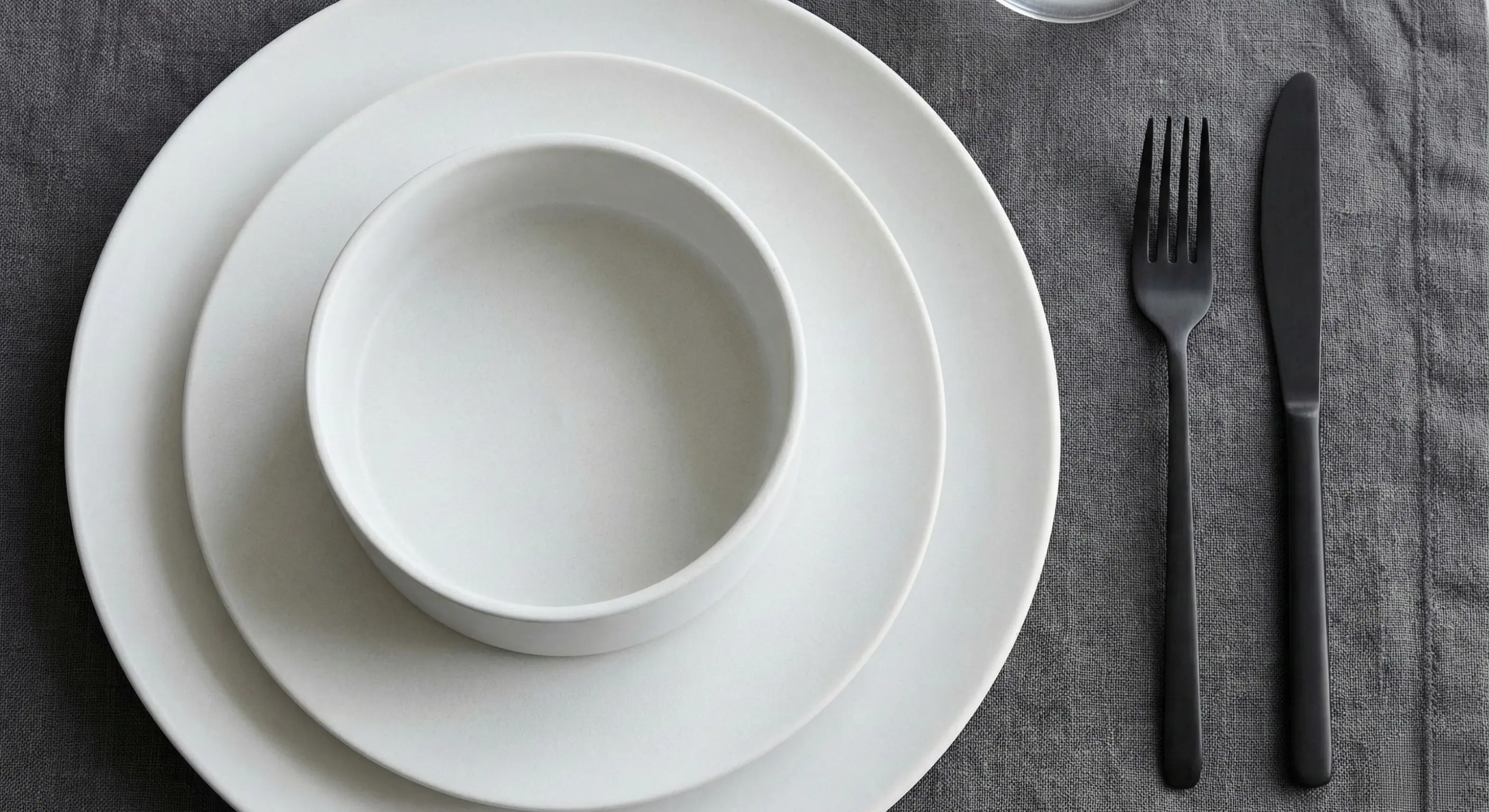
Fig 2. Modern matte porcelain offers a clean, contemporary aesthetic that is durable enough for daily use.
The Danger of Patterns: That bold lemon print or geometric design might look fantastic today, but will you still love it in five years? Patterns also make it harder to replace broken pieces if the line is discontinued. If you want patterns, consider using them on accent plates (salad/dessert plates) while keeping the main dinner plates neutral.
The Final "Hands-On" Test
If buying in a physical store, perform these quick checks:
- The Rim Run: Run your finger around the rim of the plate and the foot (the bottom ring). It should be perfectly smooth. Rough spots indicate poor manufacturing and are weak points where chips begin.
- The Weight Check: Pick up a stack of three plates. Are they uncomfortably heavy? Remember you will be lifting these into high shelves. Conversely, do they feel alarmingly light and brittle (like cheap earthenware)?
- The Glaze Inspection: Hold the plate at an angle to the light. The glaze should be uniform, without pinholes, bubbles, or pooling in corners.
Conclusion: Invest in Your Daily Bread
It is tempting to buy a cheap $50 box set for your everyday needs and save your budget for "special occasion" items. This is backward thinking. You interact with your everyday plates thousands of times a year. Investing in quality stoneware or porcelain pays dividends in durability—meaning you won't be replacing chipped plates every two years—and in the simple daily joy of eating off something beautiful and substantial. Choose wisely, buy the best material your budget allows, and your dinnerware will serve you well for years to come.